

BBL PARTICIPANT: THANDI SOPHY MATLALA, MOHLOTSI VILLAGE, LIMPOPO
In a Nutshell
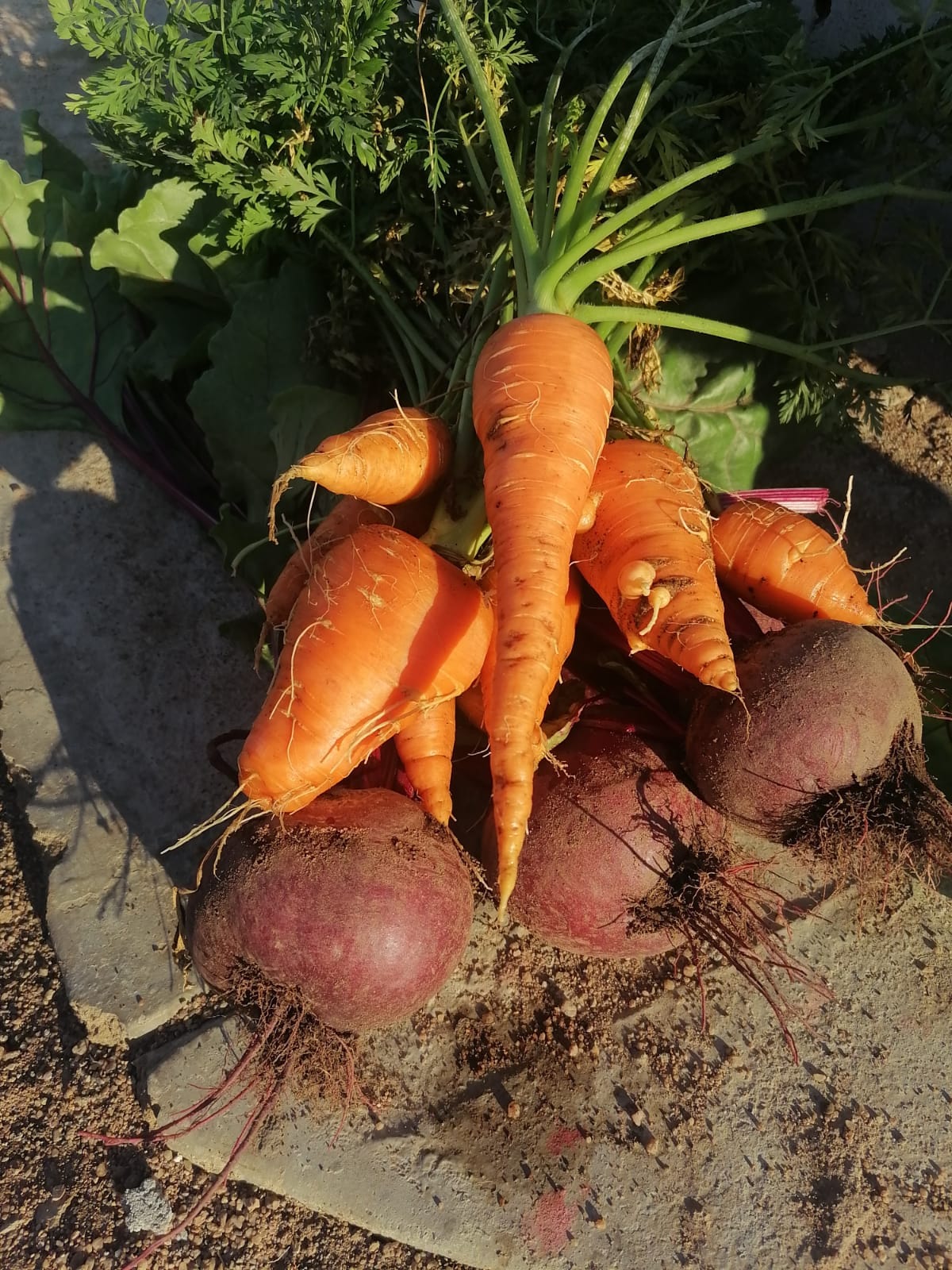
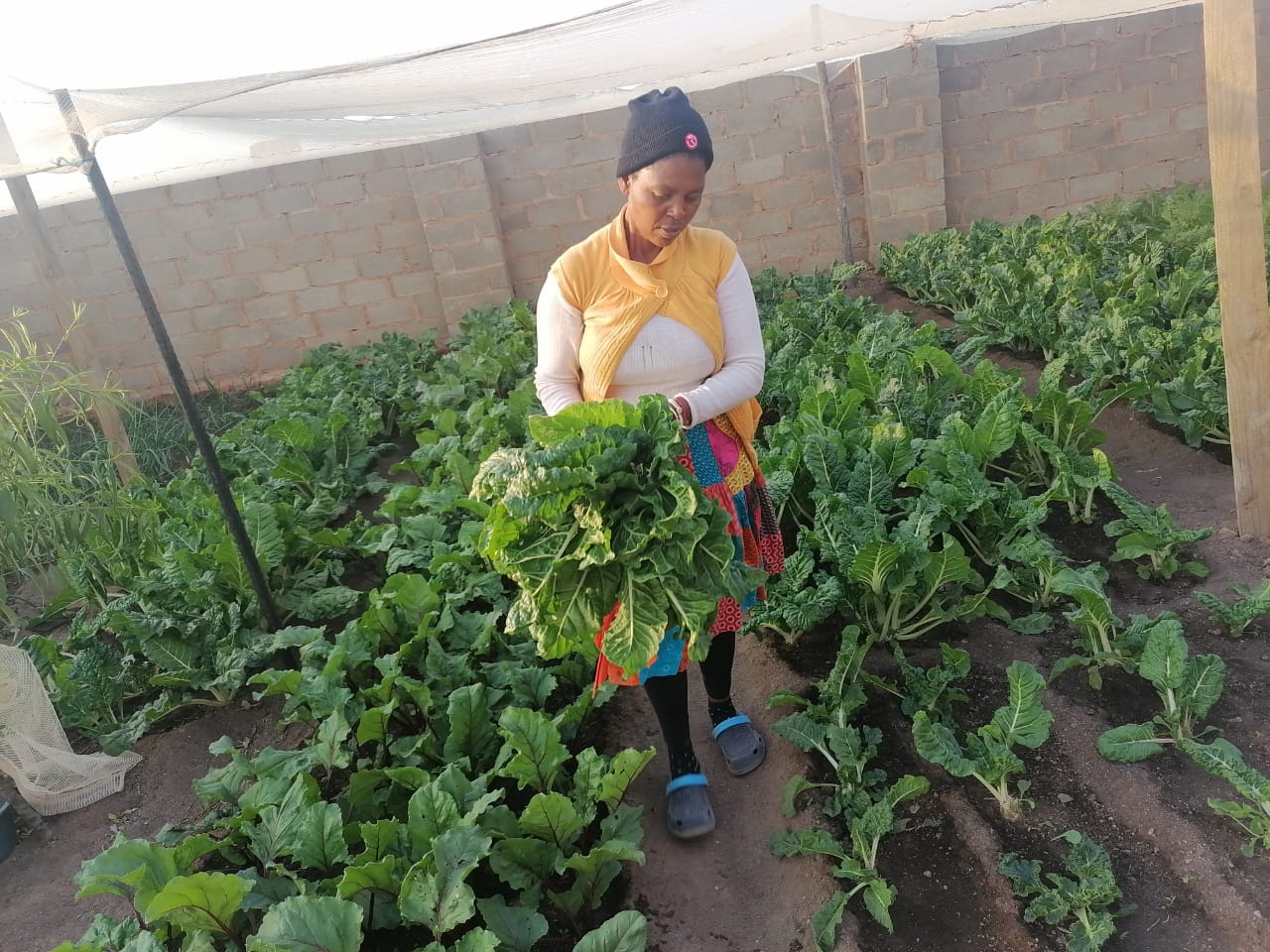
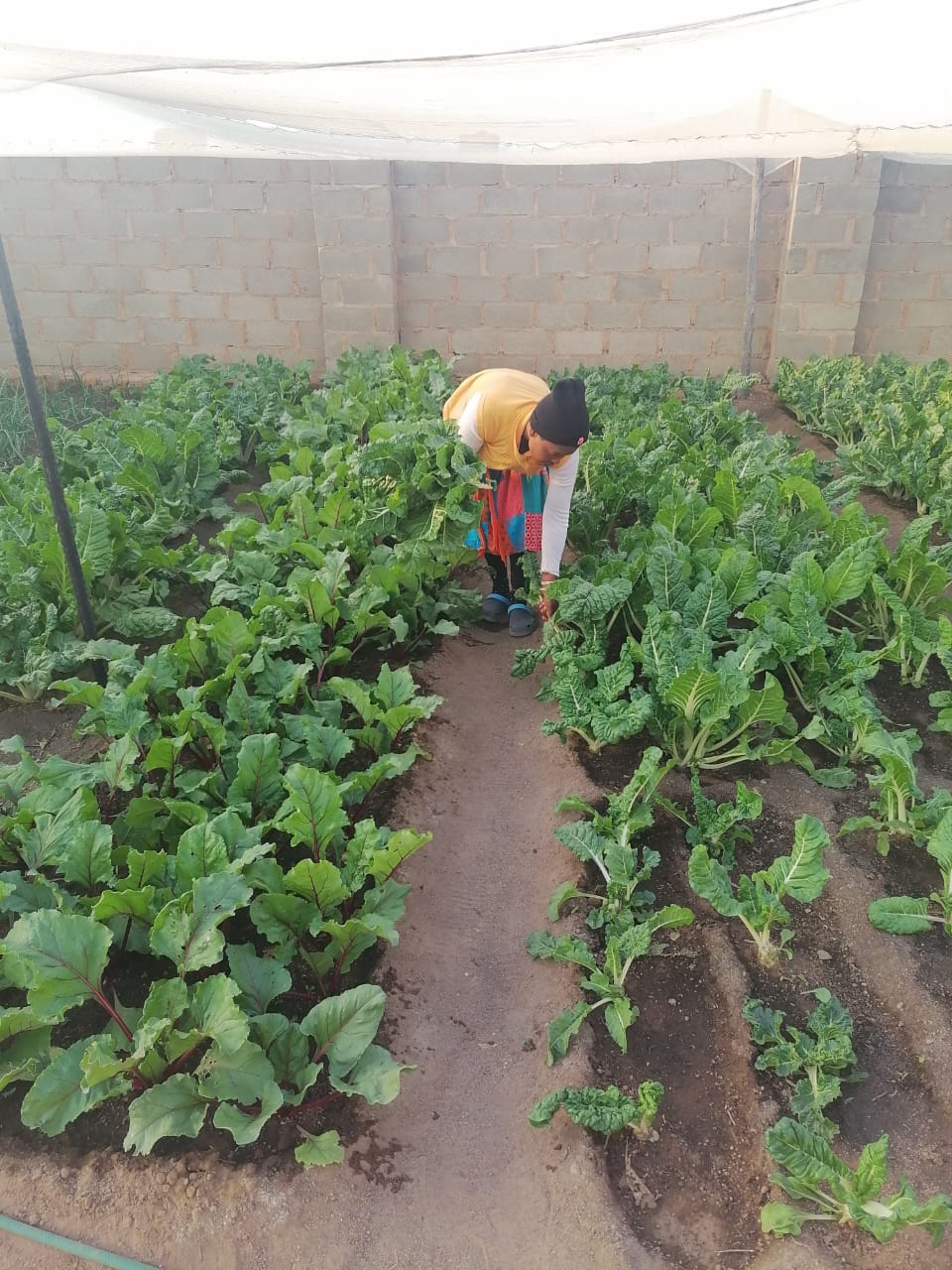
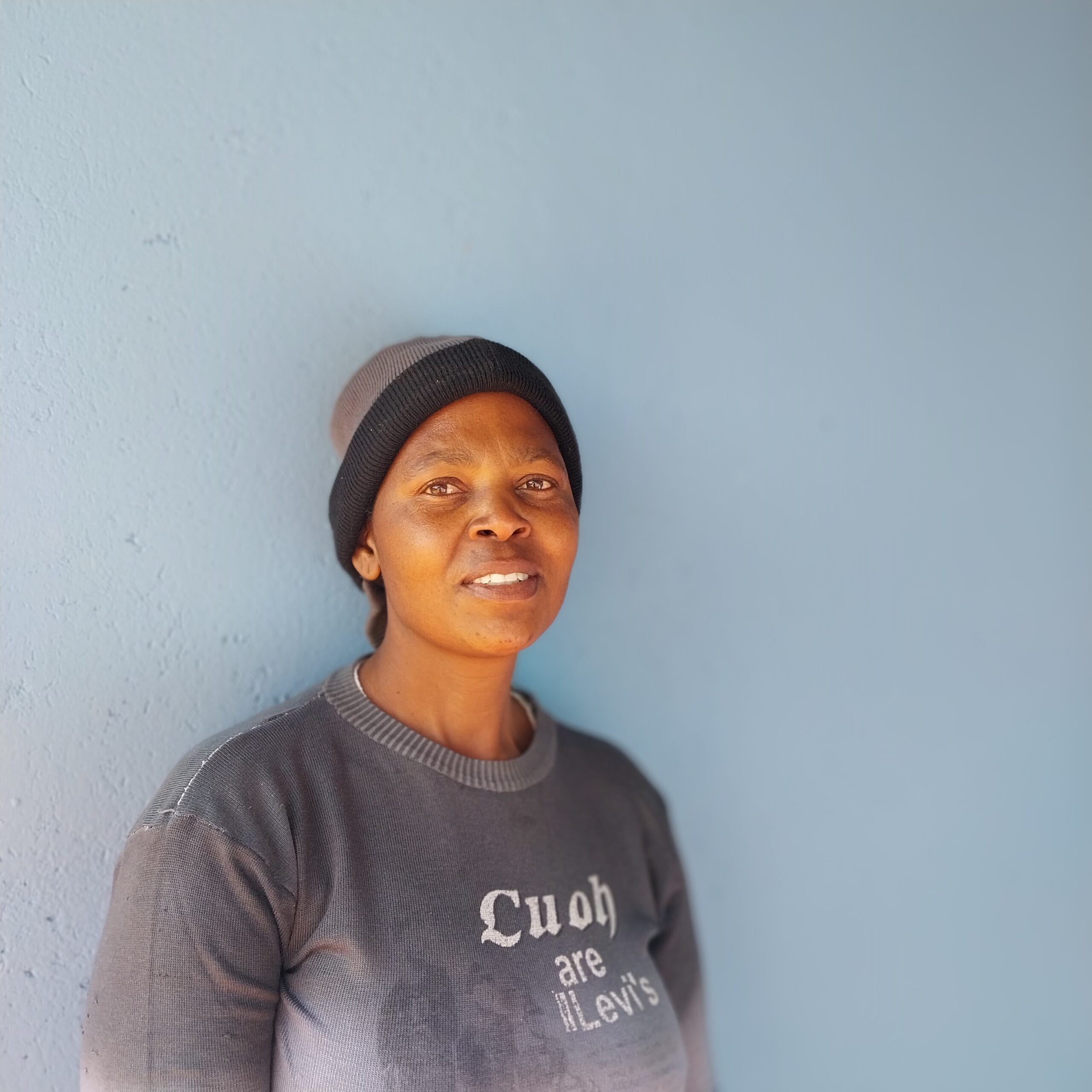
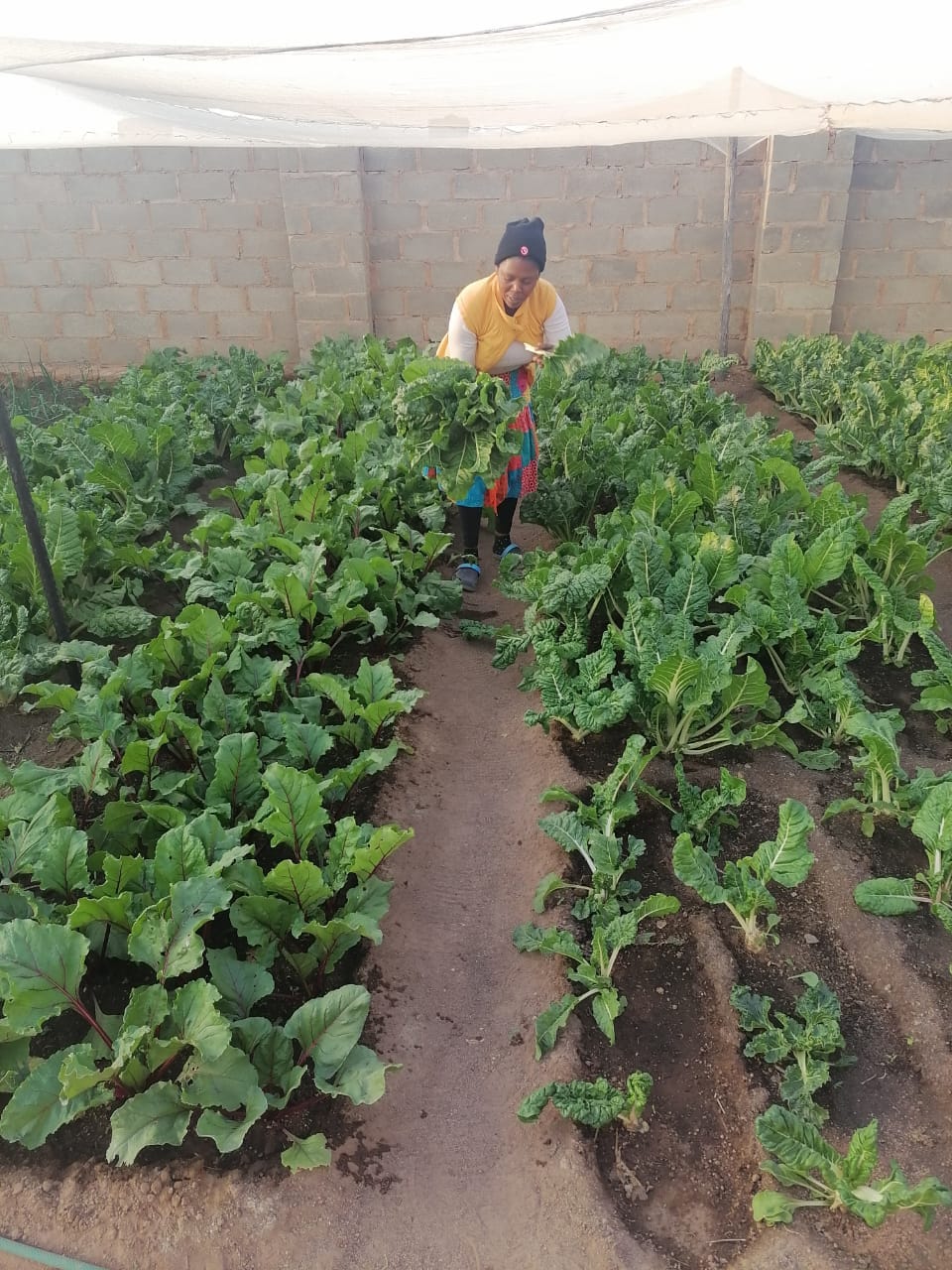
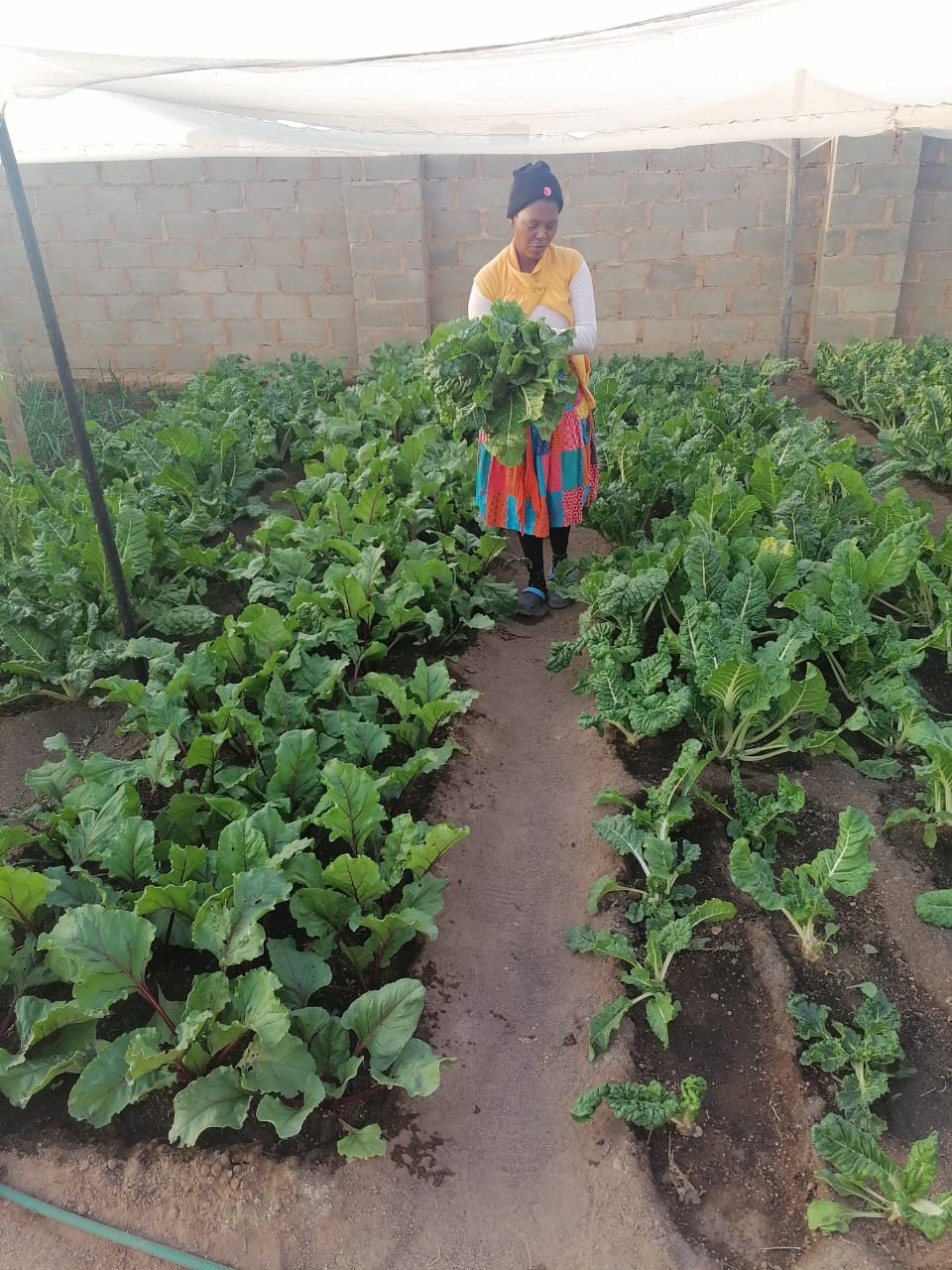
Through her participation in SocioTech’s Broad-Based Livelihoods (BBL) strategies to stimulate personal economic activity, Thandi Sophy Matlala from Mohlotsi Village has transformed her lifelong passion for gardening into a thriving local enterprise. What began as a small home garden has grown into a productive orchard and vegetable business supplying neighbours and nearby villages, all rooted in her belief that “the work is right there in your hands.”
She says…

I was born in Mookgophong in 1975 and came here to Mohlotsi when I got married. I got my love of growing vegetables from my mother. Even now she is a food gardener and she loves to cook. If I smell telele (wild okra leaves) with tomato cooking, I always think of my mother. My grandmother was the same way. Every time I crush peanuts or roast lerotse seeds for bogobe porridge I think of my granny. She also taught me how to make lerotse jam. There is nothing better than lerotse jam spread on a freshly baked scone.
One of the first things I did when I came here as a new wife, was to plant fruit trees. As the trees grew, so did my family. Once there was nothing and now there is an orchard. The fruit and vegetables I grow are a way for me to express love. My sons are now adults living in Johannesburg but whenever they visit, I cook them all their favourite foods and give them lots of mustard greens and lerotho (spider plant) to take back with them – the men in my family all like those powerful, peppery leafy greens. Those strong tastes are full of healthy vitamins. As a mother you never stop wanting to feed your children healthy food – even when they are big men. I am very thankful for my sons. They went to initiation, and they took in all the traditional lessons. They are thoughtful, respectful, hard-working men.
In addition to what I learnt about gardening from my mother, I also benefitted a lot from the SocioTech teachings. I went to my first SocioTech workshop in 2020, where they taught me about trench making, seedling production and seasonality. I learnt about Farming God’s Way, how to make an aloe and tobacco spray to get rid of Red Spider, how to invest in my soil without chemicals. Even though I had already planted many trees, I learnt new and better techniques for fruit trees. I have seen beautiful results in my orchards. I also learnt about keeping chickens.
The thing about the SocioTech way is that it is hard work – especially at first – you need to follow the instructions and not cut corners. If you do what they advise, you see great results. You get out what you put in. I don’t mean that it is unpleasant. There is a lot of joy within that hard work. There is a lovely feeling in my soul that comes from working my land and rearing my animals. The first thing I do every morning is feed my chickens (I have about 40) and my goat. Sometimes I let the goat out to walk around outside my home for about an hour but I don’t let it stay out too long. Then I check around the garden and talk to my plants. If you know your plants and you listen carefully, they tell you what they need. In those quiet moments there is true peace.
SocioTech also encourages communities to support each other. In this area, from the earliest training sessions we have been helping each other. If one of us goes to a workshop and learns a new skill we share that knowledge. Sadly, it is mostly older women in our farming group, as young ladies resist getting involved. I don’t understand it. Their children are suffering and yet they walk past and say to me ‘why are you playing with the soil?’ But then the next day they ask me to give them free vegetables! I say ‘I can teach you, but I won’t just give you the results of my hard work’. I explain to them that with SocioTech you can start very small - when I started, I had 2 trenches and I was only producing for my own home - and then how big you grow is determined by your own efforts. I tell them that whether they are rich or poor is up to them. If you use your own hands to create a garden you will never be hungry. Your children will go to sleep with full stomachs. They will have the energy and nutrients to study and go far in life. The strange thing is that the young women don’t seem to understand what I am saying. They sit around saying ‘I don’t have work’ but the work is right there in their hands.
"....I know about square metre planting. I have done the calculations...."
My journey is an example of what is possible. I rapidly moved from subsistence growing for my family into supplying my neighbours. Around here shopping is a very expensive activity, because people travel to shop in Marble Hall or Groblersdal and that is R150 for a return trip. If they can buy good quality vegetables from me locally that saves a lot of money.
At first, I only sold to neighbours, but as my confidence grew, I started taking my tomatoes and morogo on the taxi and going door to door on the Mogaladi and Tsimanyana village side of the district. Everytime I made a sale, I left my phone number with the customer. Many of those people now phone me to order and then I deliver to them. I also put pictures of the crops onto my Whatsapp status which helps to generate orders. SocioTech teaches us to always be looking for gaps in the market. For instance, the traditional healers like to collect their medicinal plants from the wild, but there are some plants that they need that you do not find in this area, so I plant those too.
I feel that I am now ready to take the next step and scale up my production, but I have hit several problems. The first big problem I have is water. I was recently contacted by the Arabie market, asking if I could supply them on a regular basis. That would have been a big step up the business ladder. Sadly, I wasn’t able to take the order, because we have had no water for a very long time – at least 4 or 5 months. Buying water is very expensive. I have two JoJo tanks but even with the tanks it has been a struggle to produce. No one seems to know when the water will return. When I asked the councillor, he didn’t know. I have a second garden that I work together with my friend Julia, because there is more water where she lives, but even with that extra space, I am very frustrated.
The second problem I have is crime. I have found some extra land on the Mopotong side – this would allow me to plant more. Thanks to Sizwe I know about square metre planting. I have done the calculations and I know exactly how productive I could be there. That area has water — there is a channel that flows and all you need is a pipe to take that water into the field. My worry is theft. I know some people who sleep in their fields to prevent their crops from being stolen.
The third block on growth is poverty in this community. I have broiler chickens but people around here don’t have money for meat. I have decided to invest in layers instead. My customers have money to buy an egg but not a whole chicken.
At the moment, I am very busy with preparations for a church function, and my garden is not where I would like it to be. Fortunately, the church event is on June 15, so soon I will be back to giving the garden the attention it needs.
The challenges are many and I am not yet sure how I will proceed, but by God’s grace, I will find the answers.


BBL MyFood
BBL Mentoring & Monitoring
BBL Veg Tunnel self-build
BBL FruitTree Campaign
BBL MyFuture
BBL MyBusiness
BBL MyPoultry
BBL MyLivestock
BBL BusinessBuilders
BBL FoodEconomy
BBL OurMarket
BBL TalentShow
BBL GardenCompetition
BBL YouthSurvey
BBL SportsTournament


- Money management skills: Thandi reinvests profits from her produce sales to improve her gardens and expand her poultry operation, ensuring continuous growth despite local challenges.
- Business diversification: Beyond fruit and vegetables, she now raises both broiler and layer chickens and cultivates medicinal plants to meet market gaps identified through BBL training.
- Increased productivity: By applying SocioTech’s trenching, seedling, and soil improvement methods, Thandi transformed her once small garden into a productive orchard capable of supplying surrounding villages.
- Entrepreneurial innovation: She built a loyal customer base using WhatsApp marketing, home deliveries, and direct engagement, turning word-of-mouth sales into steady demand.
- Community empowerment: Thandi shares knowledge freely with other women in her area, encouraging them to use their hands and land to fight hunger and build self-reliance.
- Faith and resilience: Despite water shortages, theft, and poverty, she remains steadfast - guided by faith, determination, and the conviction that hard work and God’s grace will sustain her progress.


