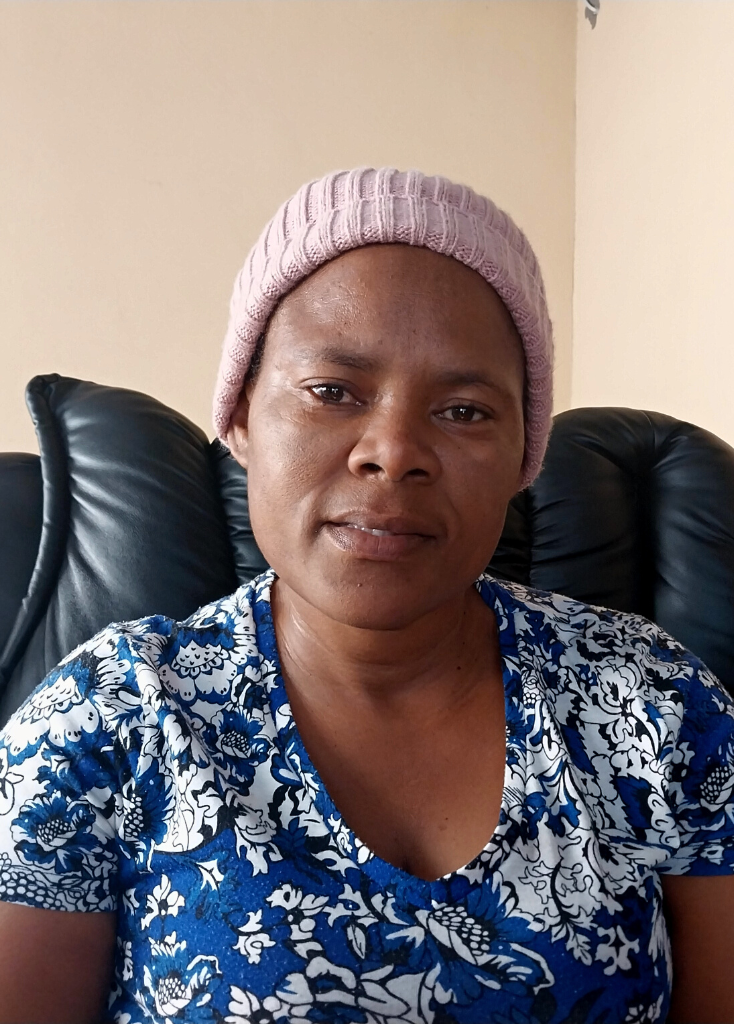
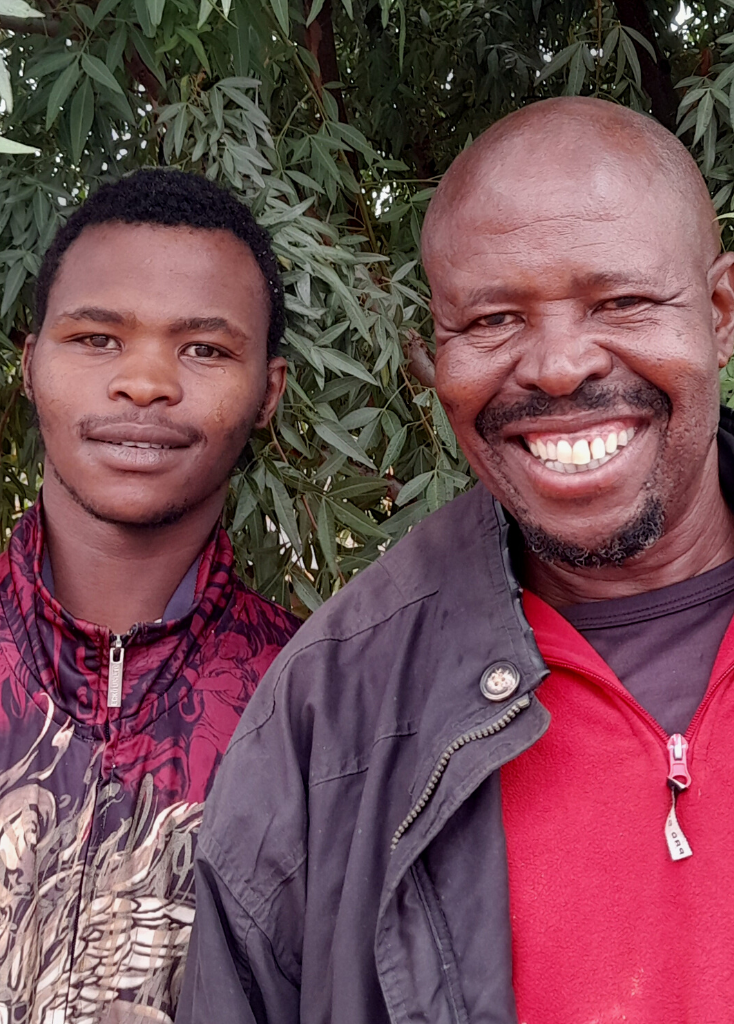
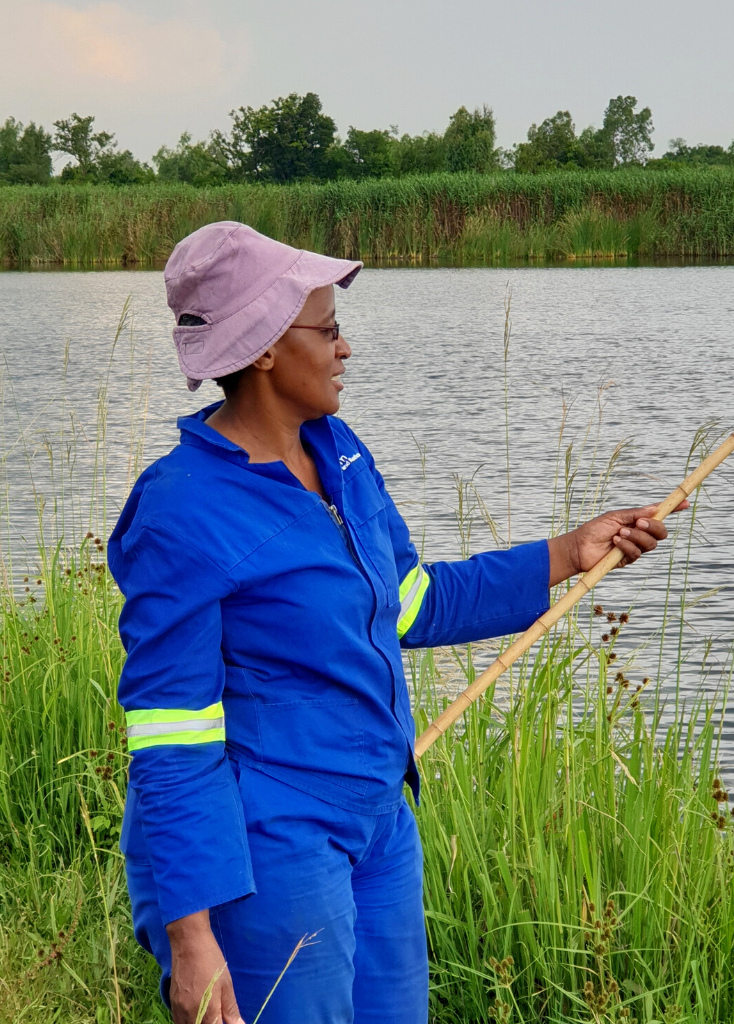
Our Network consists of thousands of families in hundreds of villages, and their leadership; as well as a range of international, national and local organisations that has supported, enabled, and helped shape our work over the past three decades. Thank you!


SocioTech’s journey from Action Research to National Policy Development to widescale Impactful Implementation
Research Contracts
International (IWMI, ACIAR, FAO, etc)
National (WRC, DWS, ARC, etc)
- Development principles & planning
- Smallholder irrigation (technical design & social aspects)
- Rainwater harvesting (large scale & pro-poor; design & management)
National Policy Contracts
National Government
Provincial Government
- Water Law Review
- National Policy Development (irrigation, rainwater harvesting, Water User Organisations, water allocation, catchment management agencies, etc)
Implementation Contracts
Government
Corporates (Vodacom, mines, etc)
Implementation at scale, of:
- Rainwater harvesting systems
- Smallholder irrigation schemes
- Household food security initiatives
- Broad-Based Livelihoods (BBL)
History Of SocioTech
Creating Value Through Broad-Based Livelihoods
Our History – an ongoing quest to reach the poor, nationwide, with a growing suite of practical, proven implementation philosophies and methods to remove barriers and shift boundaries in people’s thinking and actions towards a fully lived life of belonging, fulfilment, and prosperity.
Introduction and Founding Principles
Founded over three decades ago, SocioTech is a mature, innovative nonprofit, dedicated to transforming South Africa’s poorest communities into thriving, vibrant local economies – truly “by the people, for the people.” This mission is deeply rooted in the belief that sustainable economic participation from the bottom of the socio-economic pyramid is crucial for national economic prosperity. SocioTech’s vision is operationalised through their flagship Broad-Based Livelihoods (BBL) programme.
Early Initiatives and Growth
From the early 1990s, SocioTech focused on practical action research in South Africa’s former homelands. After the historic 1994 democratic elections, SocioTech’s unique insights were called on to help shape the new South African legal and policy frameworks, especially for water law review, national policy development on irrigation, rainwater harvesting, and the technical and institutional aspects of smallholder irrigation. These initiatives laid the groundwork for SocioTech’s future broad-based grassroots-based economic activation, emphasising sustainable and locally-led development – at scale.
Broad-Based Livelihoods Programme
The BBL programme has been the cornerstone of SocioTech’s impact, encapsulating their approach to economic empowerment and self-sufficiency. The programme operates on a theory of change designed to shift mindsets from dependency to self-reliance, to simultaneously break the stranglehold of poverty while maximising hyperlocal value creation. For everyone to be able to not just survive, but thrive – using what they have, where they are. Key components of the BBL include:
- BBL MyFood: Empowers households to produce their own food, rapidly conquering food insecurity, and catalysing surplus sales for additional income.
- BBL MyFuture: Focuses on discovering individual talents and overcoming barriers to start business activities or careers.
- BBL MyBusiness: Provides training in business record-keeping and profitability, encouraging participants to develop and grow sustainable enterprises suitable to their environment and resources.
Impact and Value Creation
SocioTech’s impact is extensive – hundreds of thousands of people across more than 700 communities in South Africa have benefited from the BBL Programme. The BBL Programme, in particular, has proven effective in enabling participants to achieve food confidence, freeing them up to engage in hyperlocal trade, thereby significantly improving their financial stability and independence.
Recent Developments
In recent years, SocioTech has continually expanded its reach. In the last twelve months alone, nearly 10 000 families in 200 villages benefited from more than 600 community-based learning sessions and personal, home-based mentoring and monitoring by caring facilitators. Hundreds of families nationwide were able to implement their own vegetable tunnels and drip irrigation, and to start business activities in diverse sectors typical of village and township economies, like construction, retail, the beauty industry, and internet-based services. SocioTech’s approach ensures that the benefits of their programmes are sustainable and scalable, fostering a culture of self-sufficiency, mutual care, and local economic growth.
Conclusion
SocioTech’s history is a testament to its commitment to creating value by empowering South Africa’s most disadvantaged communities. Through innovative programmes like BBL, SocioTech continues to catalyse economic participation and build resilient, self-sustaining local economies, demonstrating a successful model for grassroots-led development.
History Of SocioTech
Creating Value Through
Broad-Based Livelihoods
Our History – an ongoing quest to reach the poor, nationwide, with a growing suite of practical, proven implementation philosophies and methods to remove barriers and shift boundaries in people’s thinking and actions towards a fully lived life of belonging, fulfilment, and prosperity.
Introduction and Founding Principles
Founded over three decades ago, SocioTech is a mature, innovative nonprofit, dedicated to transforming South Africa’s poorest communities into thriving, vibrant local economies – truly “by the people, for the people.” This mission is deeply rooted in the belief that sustainable economic participation from the bottom of the socio-economic pyramid is crucial for national economic prosperity. SocioTech’s vision is operationalised through their flagship Broad-Based Livelihoods (BBL) programme.
Early Initiatives and Growth
From the early 1990s, SocioTech focused on practical action research in South Africa’s former homelands. After the historic 1994 democratic elections, SocioTech’s unique insights were called on to help shape the new South African legal and policy frameworks, especially for water law review, national policy development on irrigation, rainwater harvesting, and the technical and institutional aspects of smallholder irrigation. These initiatives laid the groundwork for SocioTech’s future broad-based grassroots-based economic activation, emphasising sustainable and locally-led development – at scale.
Broad-Based Livelihoods Programme
The BBL programme has been the cornerstone of SocioTech’s impact, encapsulating their approach to economic empowerment and self-sufficiency. The programme operates on a theory of change designed to shift mindsets from dependency to self-reliance, to simultaneously break the stranglehold of poverty while maximising hyperlocal value creation. For everyone to be able to not just survive, but thrive – using what they have, where they are. Key components of the BBL include:
- BBL MyFood: Empowers households to produce their own food, rapidly conquering food insecurity, and catalysing surplus sales for additional income.
- BBL MyFuture: Focuses on discovering individual talents and overcoming barriers to start business activities or careers.
- BBL MyBusiness: Provides training in business record-keeping and profitability, encouraging participants to develop and grow sustainable enterprises suitable to their environment and resources.
Impact and Value Creation
SocioTech’s impact is extensive – hundreds of thousands of people across more than 700 communities in South Africa have benefited from the BBL Programme. The BBL Programme, in particular, has proven effective in enabling participants to achieve food confidence, freeing them up to engage in hyperlocal trade, thereby significantly improving their financial stability and independence.
Recent Developments
In recent years, SocioTech has continually expanded its reach. In the last twelve months alone, nearly 10 000 families in 200 villages benefited from more than 600 community-based learning sessions and personal, home-based mentoring and monitoring by caring facilitators. Hundreds of families nationwide were able to implement their own vegetable tunnels and drip irrigation, and to start business activities in diverse sectors typical of village and township economies, like construction, retail, the beauty industry, and internet-based services. SocioTech’s approach ensures that the benefits of their programmes are sustainable and scalable, fostering a culture of self-sufficiency, mutual care, and local economic growth.
Conclusion
SocioTech’s history is a testament to its commitment to creating value by empowering South Africa’s most disadvantaged communities. Through innovative programmes like BBL, SocioTech continues to catalyse economic participation and build resilient, self-sustaining local economies, demonstrating a successful model for grassroots-led development.
Broad-Based Livelihoods Implementation
Broad-Based Livelihoods Implementation