BBL MyFood
BBL Mentoring & Monitoring
BBL Veg Tunnel self-build
BBL FruitTree Campaign
BBL MyFuture
BBL MyBusiness
BBL MyPoultry
BBL MyLivestock
BBL BusinessBuilders
BBL FoodEconomy
BBL OurMarket
BBL TalentShow
BBL GardenCompetition
BBL YouthSurvey
BBL SportsTournament
- New, highly effective farming methods
- High yields from small areas
- Getting more value from investment of labour and time
BBL MyFood
BBL Mentoring & Monitoring
BBL Veg Tunnel self-build
BBL FruitTree Campaign
BBL MyFuture
BBL MyBusiness
BBL MyPoultry
BBL MyLivestock
BBL BusinessBuilders
BBL FoodEconomy
BBL OurMarket
BBL TalentShow
BBL GardenCompetition
BBL YouthSurvey
BBL SportsTournament
- New, highly effective farming methods
- High yields from small areas
- Getting more value from investment of labour and time
BBL MyFood
BBL Mentoring & Monitoring
BBL Veg Tunnel self-build
BBL FruitTree Campaign
BBL MyFuture
BBL MyBusiness
BBL MyPoultry
BBL MyLivestock
BBL BusinessBuilders
BBL FoodEconomy
BBL OurMarket
BBL TalentShow
BBL GardenCompetition
BBL YouthSurvey
BBL SportsTournament
- New, highly effective farming methods
- High yields from small areas
- Getting more value from investment of labour and time
BBL MyFood
BBL Mentoring & Monitoring
BBL Veg Tunnel self-build
BBL FruitTree Campaign
BBL MyFuture
BBL MyBusiness
BBL MyPoultry
BBL MyLivestock
BBL BusinessBuilders
BBL FoodEconomy
BBL OurMarket
BBL TalentShow
BBL GardenCompetition
BBL YouthSurvey
BBL SportsTournament
- Highly effective farming methods to underpin his organic business
- Planning a fullfilling life trajectory through the MyFuture content
- Discovering his resilience and determination in response to naysayers
BBL MyFood
BBL Mentoring & Monitoring
BBL Veg Tunnel self-build
BBL FruitTree Campaign
BBL MyFuture
BBL MyBusiness
BBL MyPoultry
BBL MyLivestock
BBL BusinessBuilders
BBL FoodEconomy
BBL OurMarket
BBL TalentShow
BBL GardenCompetition
BBL YouthSurvey
BBL SportsTournament
- Highly effective farming methods to underpin his organic business
- Planning a fullfilling life trajectory through the MyFuture content
- Discovering his resilience and determination in response to naysayers
BBL PARTICIPANT: DAVID DISEMELO, KOKOSI EXT 1, CARLETONVILLE, NORTHWEST PROVINCE
In a Nutshell
Through his participation in SocioTech’s Broad-Based Livelihoods (BBL) strategies to stimulate personal economic activity, David Disemelo from Kokosi Ext 1 in Gauteng Province has discovered agroecology methods to achieve much higher yields from his long-standing production area.
He says…

I grew up in a farming family in the Zeerust area. In those days we never thought about whether we liked farming or not – it wasn’t a choice. It was just the way we lived. Without farming there was no life. Thinking back on those times, I remember that we were part of a caring community, and we all helped each other. We would bring oxen to help with the ploughing of a neighbour’s field and when it was our time the neighbour would come and do the same for us. We would work together, singing traditional songs. No one was paid for this, it was the way we supported each other. The only thing the owner of the field would supply was food and traditional beer to keep us strong. If I think back, I can still taste the lovely food. Fresh mielies, dinawa beans, morogo, traditional chickens full of flavour. We worked hard. I remember being so tired that I would fall asleep the moment I arrived home. Sometimes I miss some aspects of that way of life, but I don’t want to go back. This side has much more freedom – that side everything is ruled by the chiefs. They are too controlling. I can’t live under those conditions.
When I left Zeerust, I came this side looking for work and a life without the restrictions of the rural areas. I was a truck driver for the railways for about 10 years. Through all of those years, I always kept a small food garden. At first it was just some spinach and a few tomatoes at home. Later we were granted the right to use the land under the Eskom power lines. They can’t build houses there, so it is available for food production. Food prices have risen so much that it has now become essential to grow my
"....many people who have come and talked over the years, but talk is easy...."
own vegetables. Especially since the selection available here in Kokosi is so limited – the shops have almost nothing and what they have is seldom fresh. That means to get anything decent a man needs to travel into town on the taxi – which also costs money.
I first met the people from SocioTech about a year ago when I was working in my garden. At first, I didn’t trust them. There have been many people who have come and talked over the years, but talk is easy. I waited to see if they were going to come back, and they did. They showed us some of the gardens that they had previously worked on and gradually I began to believe. Their way of farming was different to anything I had seen before. I come from the old ploughing turning the soil tradition, but their ideas about trenching interested me. One of the problems we have here is that our space is limited. If you follow all their guidelines, the trenching method makes the soil so fertile that you can get higher yields out of a smaller space. It is hard work, but hard work never killed anyone. That is a lesson I learnt a long time ago.


BBL PARTICIPANT: ISAAC MAHLATSI, KOKOSI EXT 1, CARLETONVILLE, NORTHWEST PROVINCE
In a Nutshell
Through his participation in SocioTech’s Broad-Based Livelihoods (BBL) strategies to stimulate personal economic activity, Isaac Mahlatsi from Kokosi Ext 1 in Gauteng Province persevered when others gave up, and is enjoying top quality chemical-free food from his SocioTech vegetable tunnel.
He says…

In these days when food prices keep rising, having a vegetable garden is very important. Even if you have no money in your wallet, so long as you use your time and your strength to grow cabbages, onions, spinach and tomatoes there will always be something to eat. Sitting around doing nothing and complaining achieves nothing so why not use that same energy to grow some beans? I will always share what I have with those who are hungry, but I wish that more people would grow their own food.
I was born on a farm near Kroonstad which means that I have had experience working the land from my earliest days but being introduced to SocioTech methods has improved my skills and increased my yields. Before, when I grew vegetables, I just cleaned the area, put manure down and planted. I didn’t
know about trenching, mulch or irrigation systems. Creating the trenches isn’t easy at first and many of those who started the training gave up. I kept going even on tough days, because I reminded myself that nothing worth doing comes easy.
This is a very tough place to farm. The sun is fierce. The rains can wash crops away. We get hail. Rats, birds and rabbits are also a big problem here. Occasionally I trap one of those rabbits and it reminds me of my childhood days. When I was a small boy I had an amazing hunting dog – a windhond
(greyhound) called Bamohloyile.
"....go into my garden and pick a carrot and eat it right there...."
His name means the one they hate. I called him that because he was the fastest dog in the district and all the other boys were jealous of his speed. That dog was the best hunter I have ever seen. If he saw a rabbit, he was racing off to catch it. Nothing protects against rabbits as well as Bamohloyile did.
Bamohloyile died many years ago but these days I keep the rabbits, the rain, the sun and other problems away from my crops using the tunnel I got from SocioTech. It is a wonderful thing. People walk past, see my crops and admire the tunnel. Now that they see the results, they want to join the SocioTech programme, but I have been told that there will be no more training, so they have missed their chance.
Not only does it save money to grow your own vegetables, but I believe that the food that is produced is healthier. When you grow your own vegetables,
you can control what goes onto them. We don’t know what chemicals are put onto crops you find in the supermarkets. I don’t judge others. People can eat
whatever they like and buy it wherever suits them, but for me and my family I prefer to know that the food was grown without chemicals. And it is delicious. Sometimes I just go into my garden and pick a carrot and eat it right there just to enjoy the juicy sweet taste.
BBL PARTICIPANT: MESHACK KHOZA, KOKOSI EXT 1, CARLETONVILLE, NORTHWEST PROVINCE
In a Nutshell
Through his participation in SocioTech’s Broad-Based Livelihoods (BBL) strategies to stimulate personal economic activity, Meshack Khoza from Kokosi Ext 1 in Gauteng Province rediscovered the value of continuous learning, and wishes that children could once again experience the joy of life lessons learned through farming.
He says…

I grew up on a farm in the Stillfontein district. We had lessons in gardening at school, so I had some training and experience even before I did the SocioTech training. I remember that the teacher who supervised us in the school gardens, Mr Peter Gapara, was always kind. He used to play soccer with us, and he liked to sing. We used to sing Setswana songs while we worked in the school garden. Each child had his own portion and when it was time to harvest our crops, we were allowed to take the vegetables home. I remember feeling so proud when I took those vegetables home. I still feel that way. Even as old as I am now, when I take a box of beautiful, fresh vegetables home there is a sense of pride that comes from being able to provide for my family. I really wish we had more land to work. These gardens are very small and the size limits how much we can achieve. If we had proper plots, we could be growing more, selling more and making money. We have the skills. Only the land is missing.
These days children don’t study agriculture at school. I am not sure why it stopped being taught. I don’t know if that decision came from the government, or parents, or both. I think it probably stopped because many people (in government and amongst the parents) associate gardening with poverty. I think that attitude is completely wrong. Working soil and growing vegetables is good for children in many ways. Firstly, because they get something to eat at the end of the process – in this community there are so many hungry children. A hungry child will struggle to study. Also, when a child grows something from a tiny seed into a big plant, he learns to be patient, humble and skilled in ways that can be transferred to other areas of life. A child who knows that he must work and wait for results to show in a garden can also understand that he must study now and only see good exam results later.
"....used to sing Setswana songs while we worked in the school garden...."
A child who starts off knowing nothing about growing tomatoes but gradually learns the skill has the confidence to try other new tasks.
Even if that child becomes a doctor and never touches the soil again, he has learnt how to apply himself, work hard and wait for rewards. It teaches a student that no matter how much you know, there is always more to learn. For instance, I learnt additional skills about soil preparation, irrigation, and plant spacing through the SocioTech training programme. Trenching was not something that we did with Mr Gapara, and it is definitely a valuable new skill.
But it is easy to say that young people must work in gardens and difficult to put into practice. Even in my own home, I struggle to get my children to help me in the garden. If I ask my 14-year-old to come with me and work, he will say he has homework to do. He is lying. He just doesn’t want to work in the garden.


BBL PARTICIPANT: OUPA TSHWAGONG, KOKOSI EXT 1, CARLETONVILLE, NORTHWEST PROVINCE
In a Nutshell
Through his participation in SocioTech’s Broad-Based Livelihoods (BBL) strategies to stimulate personal economic activity, Oupa Tshwagong, a young man from Kokosi Ext 1 in Gauteng Province, is convinced that he can expand his current 3-hectare operation to a thriving, upscale organic farming business on their Community Property Association’s 780-hectare farm.
He says…

I did agriculture at school, but, at that stage in my life, I didn’t like it very much. In those days, girls did needlework and boys did agriculture. Students had no choice in the matter and none of us were happy to be there. Part of the problem was that we did the work, but we didn’t get to keep the vegetables that we grew. At the end of each term, students would be marked on their output, but it was the teachers who would take it all home. As you can imagine, that was demotivating for us kids.
I only came to appreciate the importance of farming much later in life through my membership of the Thusanang Communal Property Association (CPA). The CPAs were established in 1995 as part of the government land reform programme. My family was eligible for land restitution, so we became part of a CPA that has 60 beneficiaries and approximately 780 hectares. I am mindful of the opportunity the CPA brings me and my family and I am determined to make the most of it.
I am currently only working three hectares, but my plan is to expand that over time. The land has great potential. It could be used for chickens or cattle farming but so far, I am only crop farming on a relatively small area. I grow spinach, lettuce, beetroot, carrots, tomatoes and chilies which I sell to small shop keepers and hawkers. Customers place an order, tell me how much they want, and I harvest accordingly. That business is working quite well, but I am interested in expanding into the organic farming sector. I can see that customers will pay a premium for organic ingredients, and it seems sensible to move in that direction. The hawkers and spaza shop type customers are fine, but I am convinced that the real money is to be found amongst that Woolworths type prestige product buyers.
"....working quite well,
but I am interested in expanding...."
My father told me about the deep trenching and tunnels used by SocioTech and so I reached out in search of training. I did the MyFood programme and the MyFuture course and I was very impressed. Doing the SocioTech training was hard work. I am young and strong, so it was not the digging that bothered me – it was the stupid comments from spectators. I found it irritating when I was digging my deep trenches and other people who were not part of the project would walk past and mock me. They would say stupid things like: “who are you going to bury in such a deep grave?”
I do not take farming lightly, so I started with a few trenches in my yard to get a proper understanding of the techniques. So far, everything is going very well. Now that I can see that implementation on a small scale works, I feel ready to ramp things up and see how far I can take it. The SocioTech methods are unlike anything I have seen previously, and I think that they have great potential to be used on a large scale. My goal is to implement the method with very large trenches and tunnels on the CPA land. Watch this space. I am convinced that if you come back and see me in five years’ time you will find a thriving, upscale organic farming business.
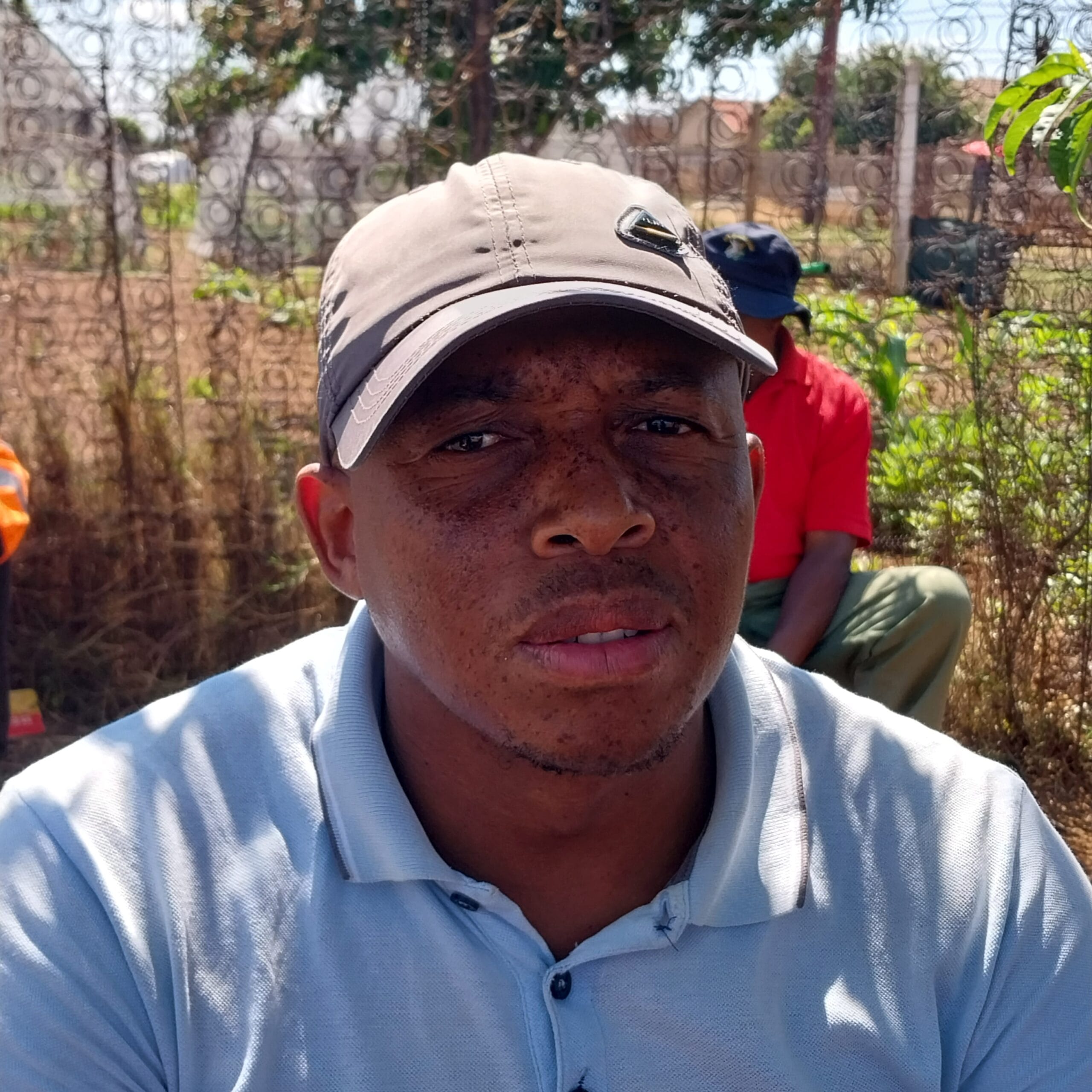
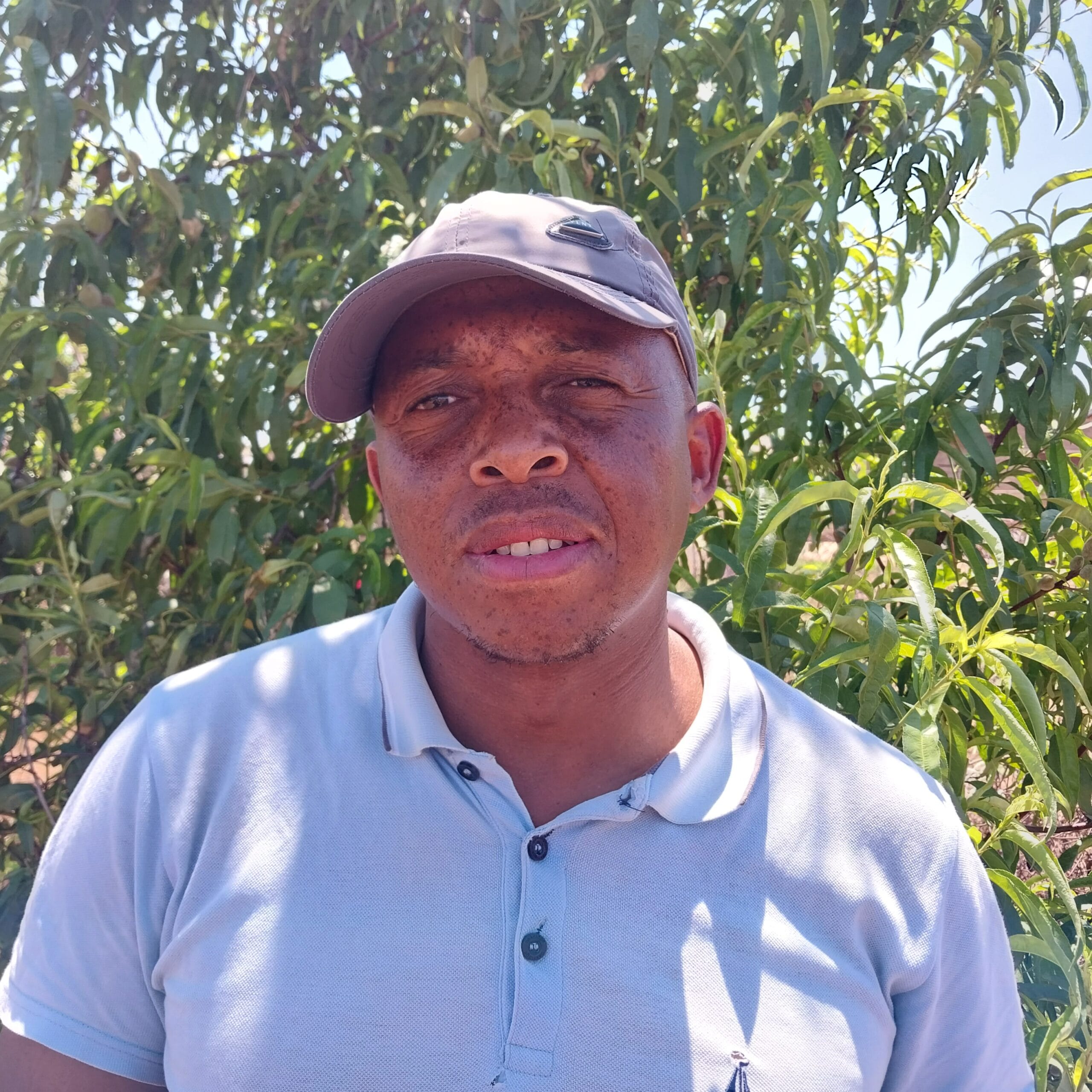
BBL PARTICIPANT: JOSEPH SEDIKE, KOKOSI EXT 1, CARLETONVILLE, NORTHWEST PROVINCE
In a Nutshell
Through his participation in SocioTech’s Broad-Based
Livelihoods (BBL) strategies to stimulate personal economic activity, Joseph Sedike from Kokosi Ext 1 in Gauteng Province, is convinced that he can expand his current 3-hectare operation to a thriving, upscale organic farming business on their Community Property Association’s 780-hectare farm.
He says…
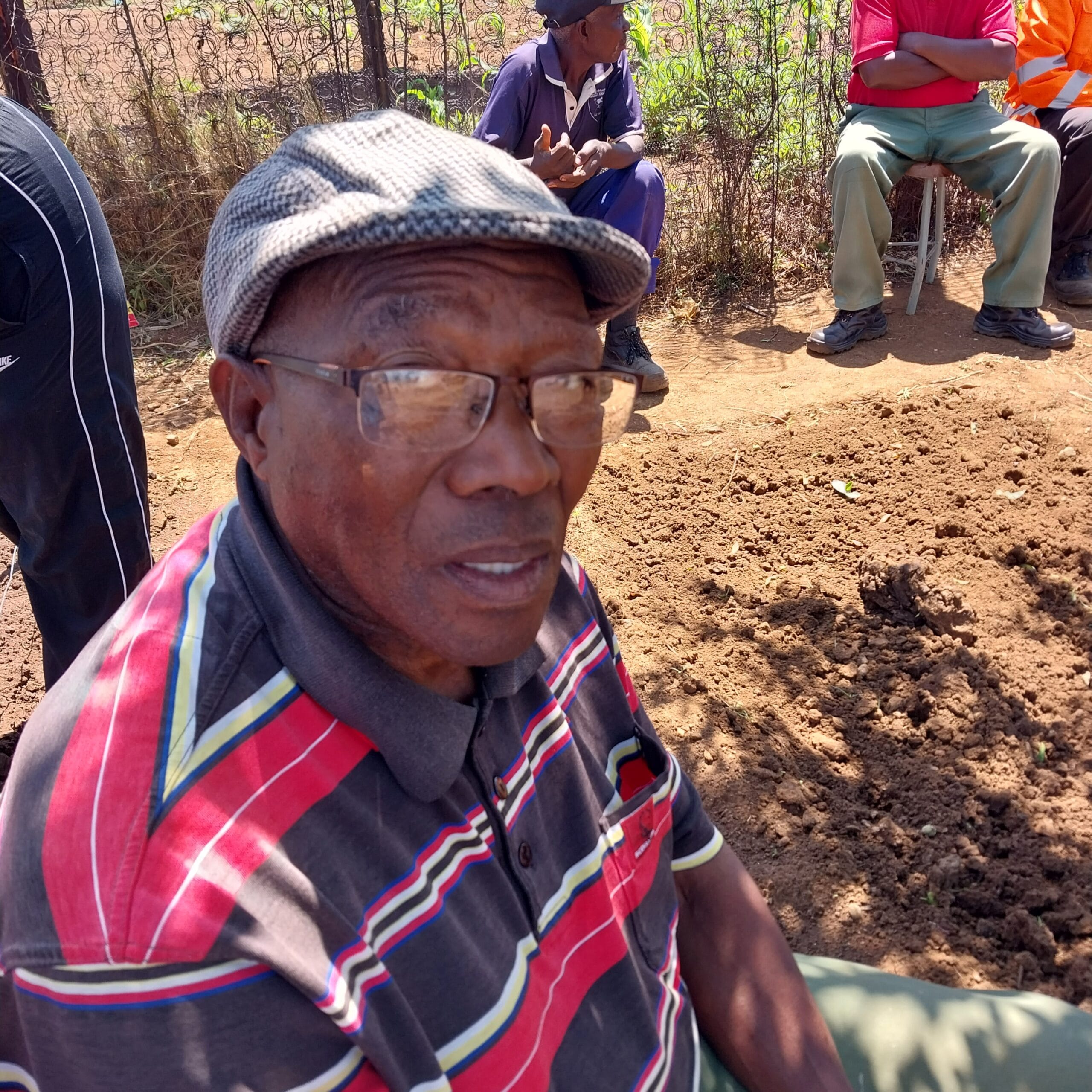
Even as a young boy I loved working the land. I took agriculture as a subject at school, and I liked it so much that my childhood dream was to continue with the discipline at university. Sadly, the money was not there for me to study
further so instead I went to work on the mines. Mining is an honourable job, and I am proud to have done it but I never lost that love of growing vegetables – there is something so satisfying about working with soil – seeing a tiny seed become a plant and seeing that plant become food to feed a family. I retired in 2014 and since then I have been working on a patch of land close to my house. The land I use is under the Eskom municipal lines which means that they can’t build houses there and so it is available for food production.
I first met the SocioTech team in April 2020. That meeting opened my mind to new ways of farming. Previously I had farmed the way my teachers taught us at school but that was a long time ago and it was time for a change. For instance, I wasn’t aware of how deep trenching could improve the soil and how much better my vegetables would be if they had that extra boost. It isn’t always easy, digging deep trenches
in the heat is a big challenge. Fortunately, with this type of farming, the farmer determines his own hours.
There is no boss shouting at you to continue when you are tired. A man can dig until he has run out of energy and then he can go home. Tomorrow is another day, and you can start again fresh in the morning. Also, you make those trenches once and it is hard work, but they then serve you for many years. They save time and effort in the long run.
It took me about 3 days’ labour to dig my first trench, but I didn’t do all the work one day after the other. I took breaks along the way. When my back hurt or I had other business to attend to, I stopped and came back later. Those first three trenches were a struggle to get through, but I am glad I put in the work, because the results are amazing. Since I dug them, my plants have not only been bigger and greener but also much tastier. While we were digging, other people would
"....other business to attend to, I stopped and came
back later....."
walk past and make stupid comments. They would ask whether we were digging graves and silly things like that,
but they are not laughing now that they see the vegetables. Especially since the tunnel went up.
Seeing how beautiful the vegetables I grow are, makes me proud, but it also makes me sad and frustrated. I have so little space here. Now that I know what can be achieved, I would love to be able to expand the amount of land I have under cultivation and create a proper farming business. With this small piece of land all I can really do is work for my stomach. What I mean is that my garden feeds me and my family, but it is no place to do serious business. Sometimes I sell a few bunches of spinach and I make a bit of money to buy little things like airtime, but I dream of a proper plot of land with enough space to buy and sell on a large scale.
These days I am always pleased to be able to take food from the garden home to my wife. I love it when she makes morogo with potato and peanuts that I grew with my own hands. In these days when the prices go up and up every day, it is good to be able to save money. I also know that the vegetables I grow are healthier than the ones at the shops. In this world that is so full of disease and pollution, it is good to know that the plants I grow are chemical-free.
Growing my own vegetables also provides opportunities to be a good neighbour. If a man comes to me crying with hunger, I can give him a bundle of spinach to ease his pain. When that happens, I always try to combine giving vegetables with a little teaching and encouragement to start a garden. I want to help other people to take charge of their lives. That is the wonderful thing about farming, it can take a man from nothing to something.
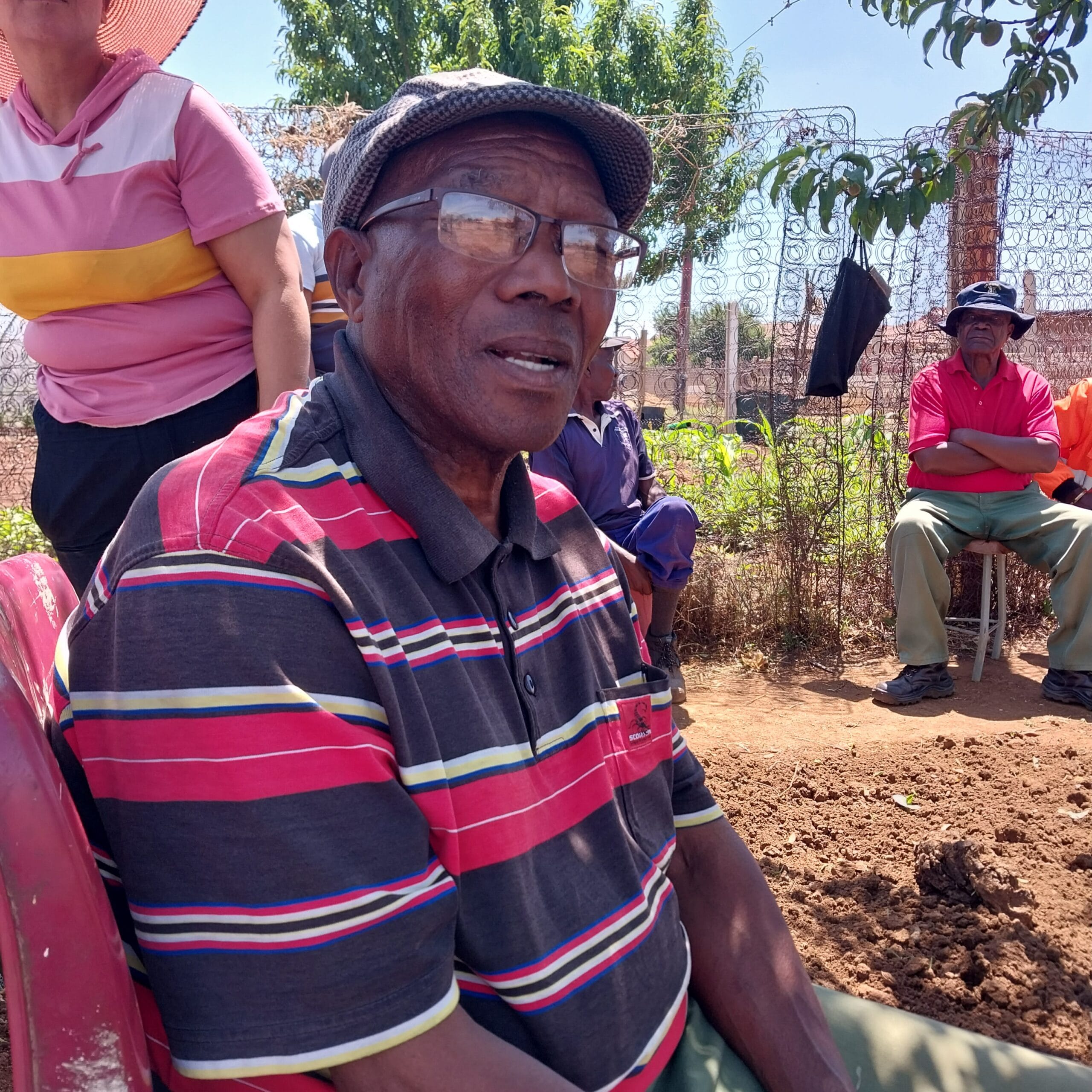
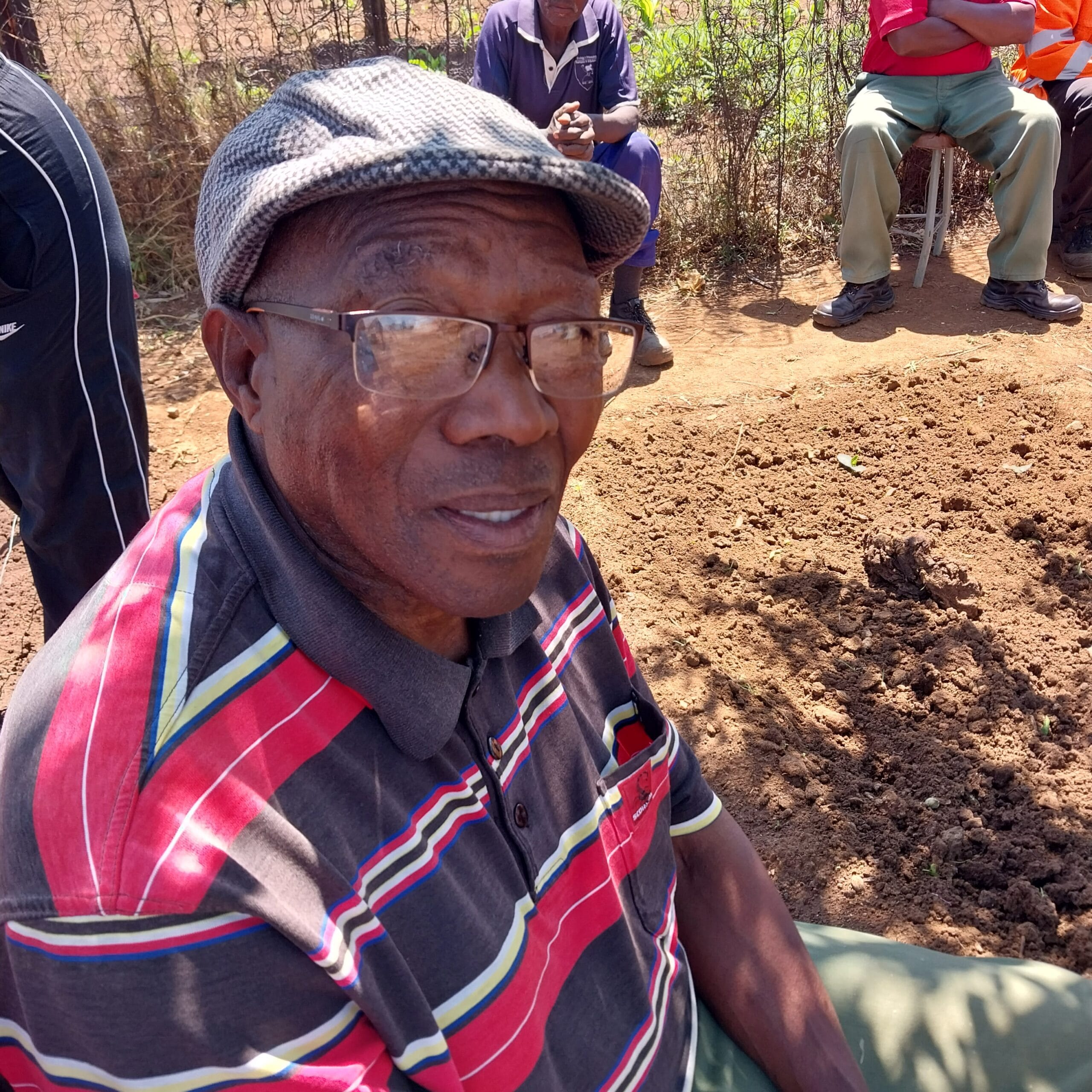
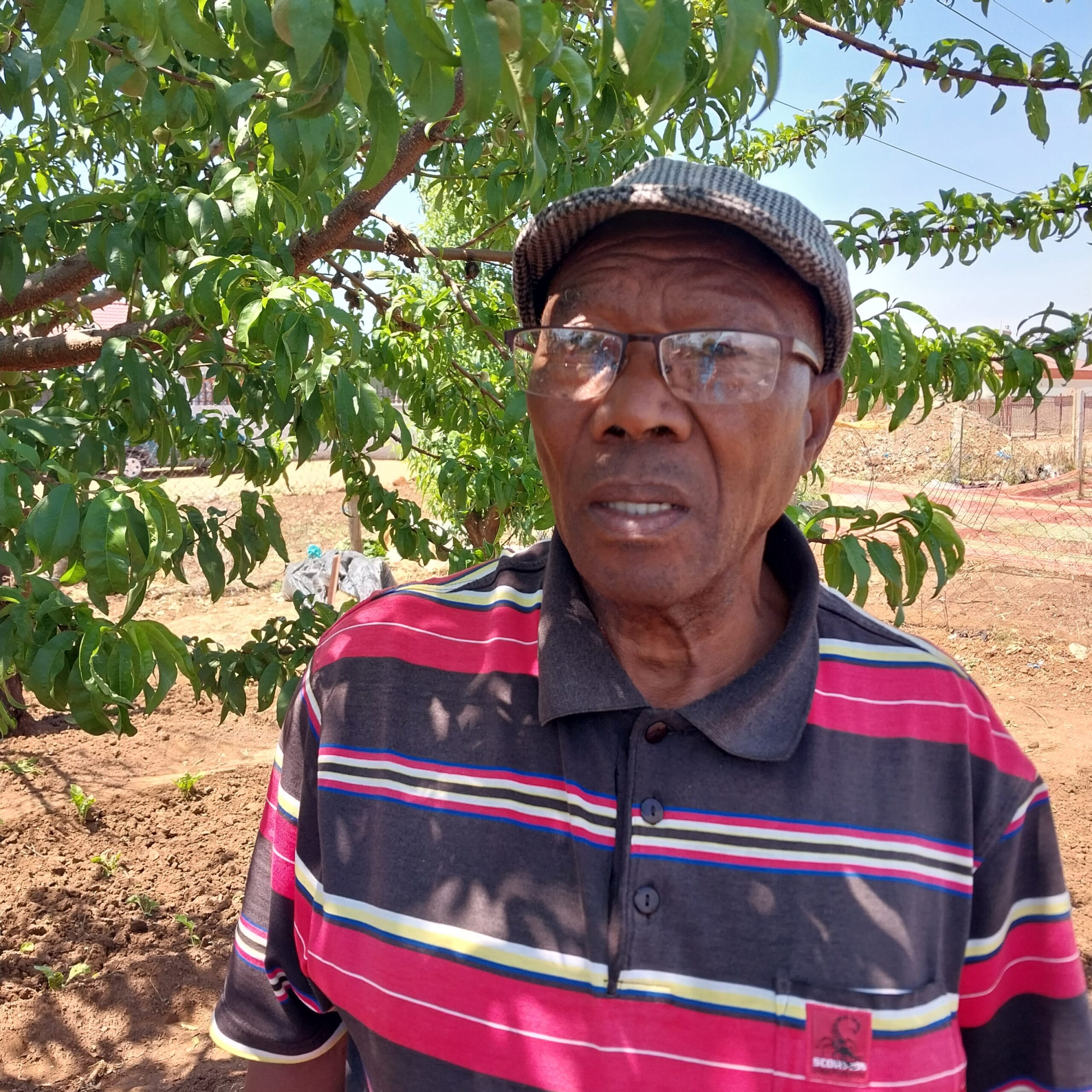
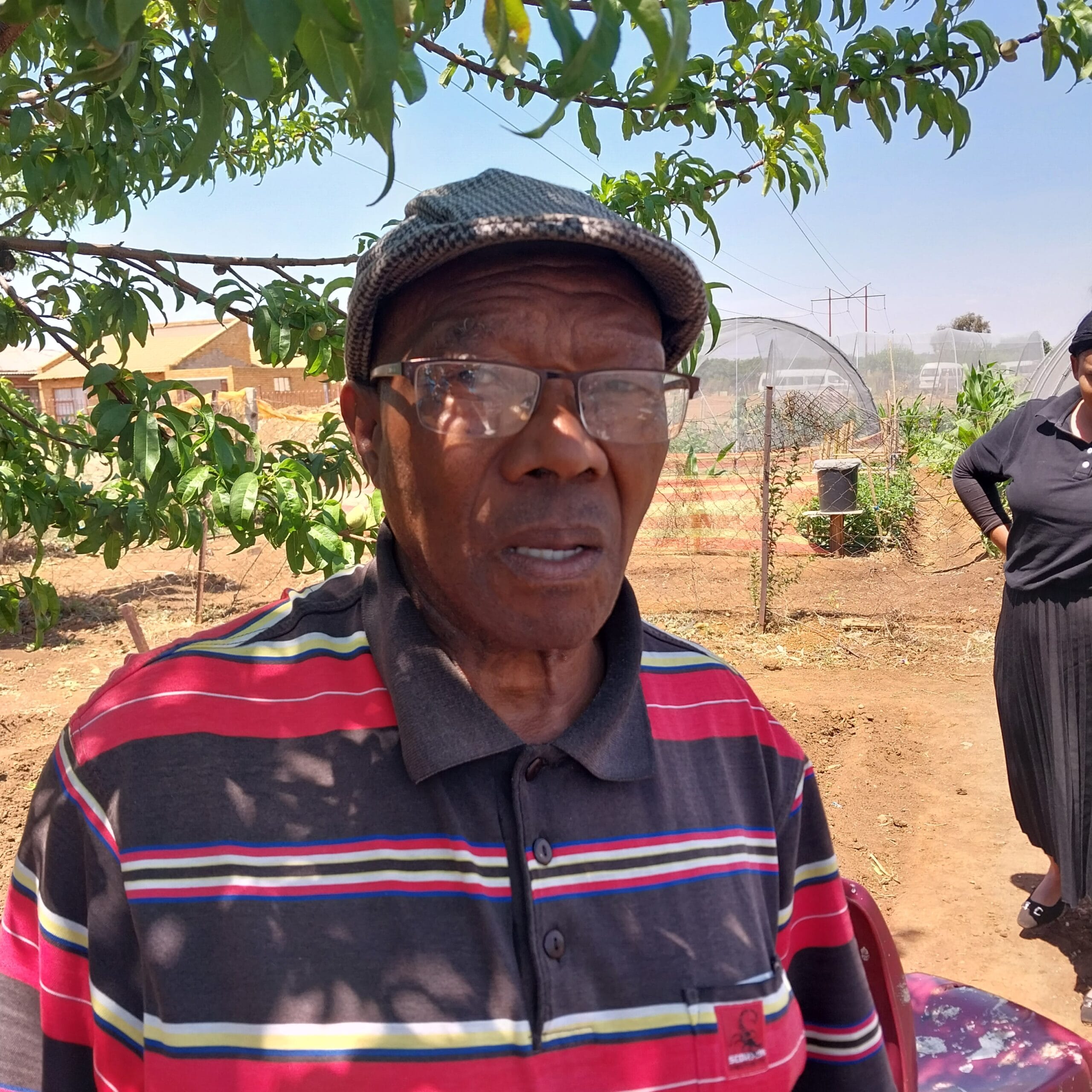
BBL PARTICIPANT: Nokuthula Toons, Kokosi, Northwest Province
In a Nutshell
Through her participation in SocioTech’s Broad-Based Livelihoods (BBL) strategies to stimulate personal economic activity, Nokuthula Toons from Kokosi in Northwest Province has been able to broaden her local client base, despite entrenched purchasing habits in local communities. She is grateful for the upturn in business, but continues to work towards better solutions.
She says…
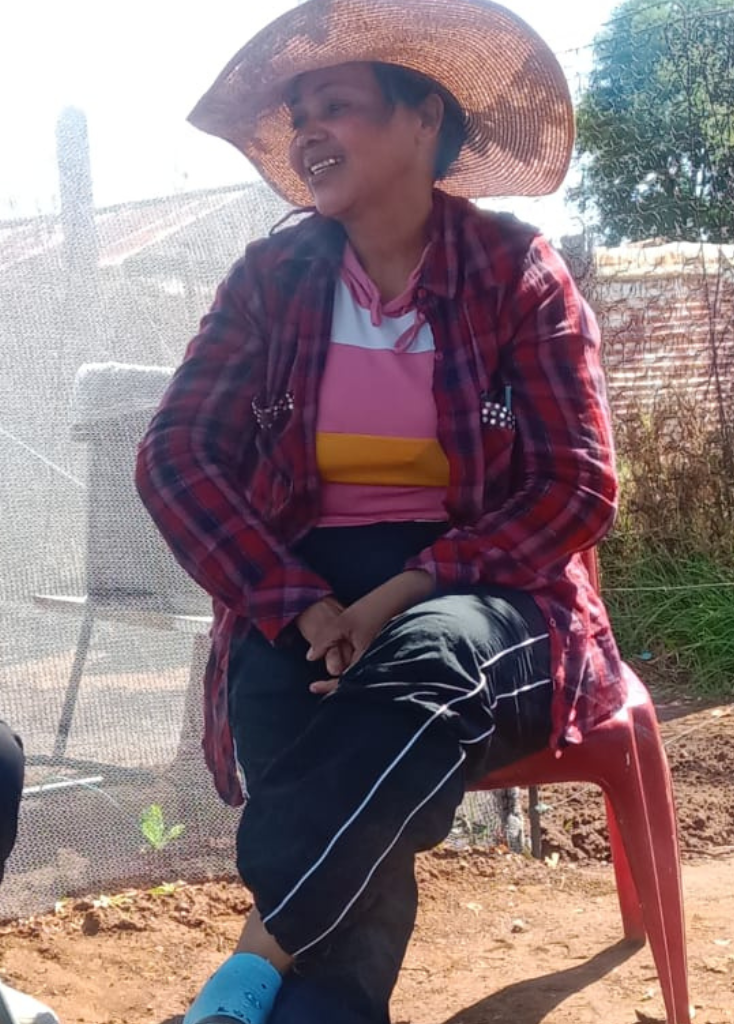
I have a small patch of land under the Eskom power lines in Kokosi, Extension 2. The municipality can’t build houses there, so it is available for food production. If I am in a bad mood or have a headache, working in my garden makes me feel better. I have always felt that way. I grew up in a village called Pelepele which is near Bizana in the Eastern Cape - that’s where Winnie Madikizela Mandela comes from. When I was a little girl, my father grew and sold vegetables. All the usual stuff – mielies, carrots, cabbage, spinach and tomatoes. I used to help him with little jobs like weeding, watering, sometimes bird scaring, but my main role was selling.
Every day after school I would go around the neighbourhood, going house to house selling. I loved it because it was fun talking to all the customers and collecting the money. I was helping my daddy and contributing to our household. It made me feel good. I have tried to interest my son in helping me in my garden, but he says he isn’t interested.
"....but these days there are no jobs. No one in my house is working."
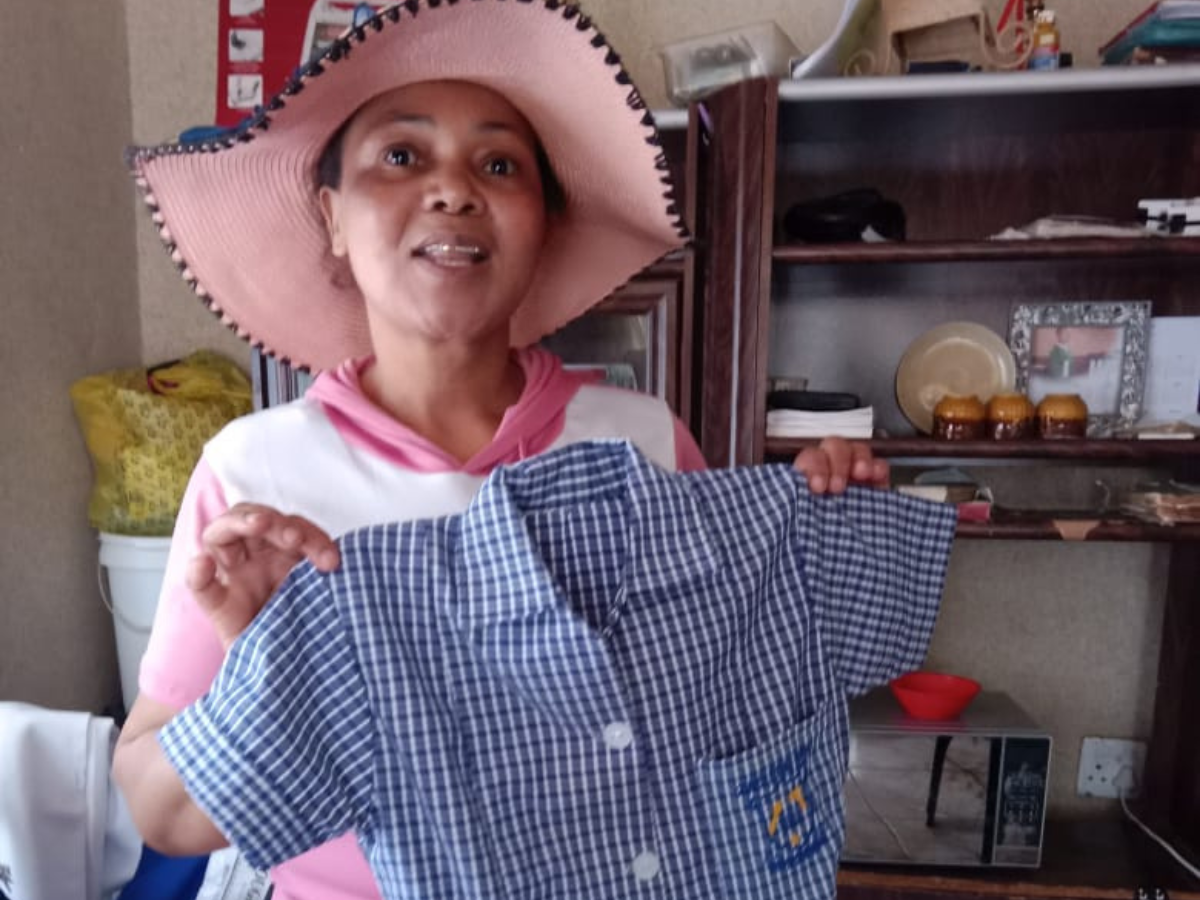
I moved here when I got married in 1997. I worked in the security industry for a while but these days there are no jobs. No one in my house is working. My husband has been unemployed for 5 years and for me it is 11 years. I make some money sewing – I specialise in making church uniforms – but life is very hard. And sewing is not good for my eyes, the more I do it the more I struggle to see – even things like WhatsApp messages have become hard to see.

I decided to start a garden because I lost confidence in the idea that there would be jobs in the business sector. If I wanted to make an income, I was going to need to make it happen for myself. I needed to make sure that my children had food to eat. I was gardening for a few years before I met the people from SocioTech and during that time I managed to feed my kids because we ate from the garden, but I wasn’t making a lot of sales. It is disheartening when you work hard and don’t get orders. I thought I would follow my father’s example and turn the vegetable garden into a small business. I have tried those same techniques that I used as a child of going house to house here but sadly they didn’t work well. In this community people don’t support local growers. I don’t know why, but it seems that they would rather spend the money on a taxi to go to a supermarket. It makes no sense, because it is R15 to get to town which is R30 spent before they have even started to shop. And the quality of the vegetables in Shoprite is not good. Often it is not even fresh. And who knows what chemicals they put on their products.
Then I met the SocioTech team. The first one I met was Charmaine. One day about a year ago she was driving around the area and she saw me working, so she stopped and invited me to a meeting. That was how I started with the SocioTech training. I liked the techniques and the people seemed to know what they were talking about, so I continued with the training. It was quite hard work and many of the people I started with did not complete the course, but I am so glad I did. The trench beds and the SocioTech BBL Vegetable Tunnel have improved the quality and the quantity of my crops. The look of my crops has improved a lot. The spinach I grow is big and green and beautiful. Now people walk past, and they order from me. I have got orders from about 10 new customers. I am delivering to them, and things are going better. Everyone who sees my spinach says ‘wow!’ I am beginning to get local support which is making me feel much happier.
"It is little and slow, but it is happening. "
Through the SocioTech MyFuture programme we learnt techniques for marketing our products and I am beginning to see the results working. It is little and slow, but it is happening.
Even with the up-turn in business the problem of our people wanting to buy at fancy shops far away rather than from local small business growers still exists. It is not just me, all the farmers in my area have the same problem with a lack of local support. We have discussed it amongst ourselves, and we think that perhaps the solution is to find more land so that we can grow more crops. Once we had sufficient output, we might be able to approach the supermarkets and the schools about ordering in bulk. I don’t know.
What I do know is that I am feeding my children, and I am keeping myself healthy. This is not perfect, but it is better than the alternative.
"What I do know is that I am feeding my children, and I am keeping myself healthy."