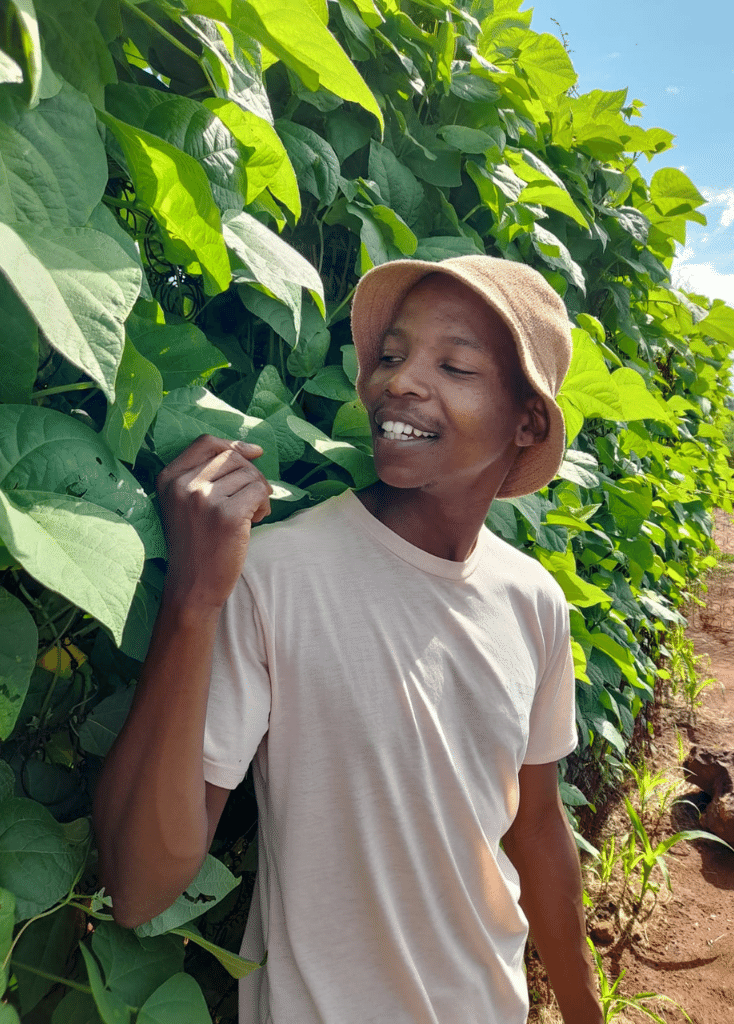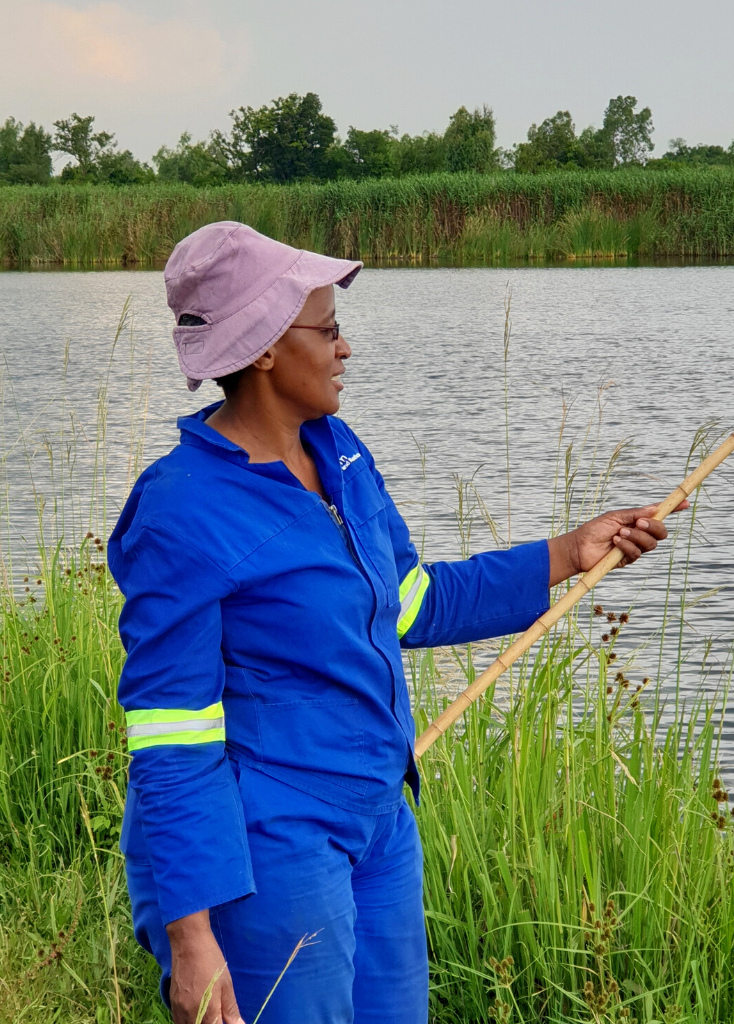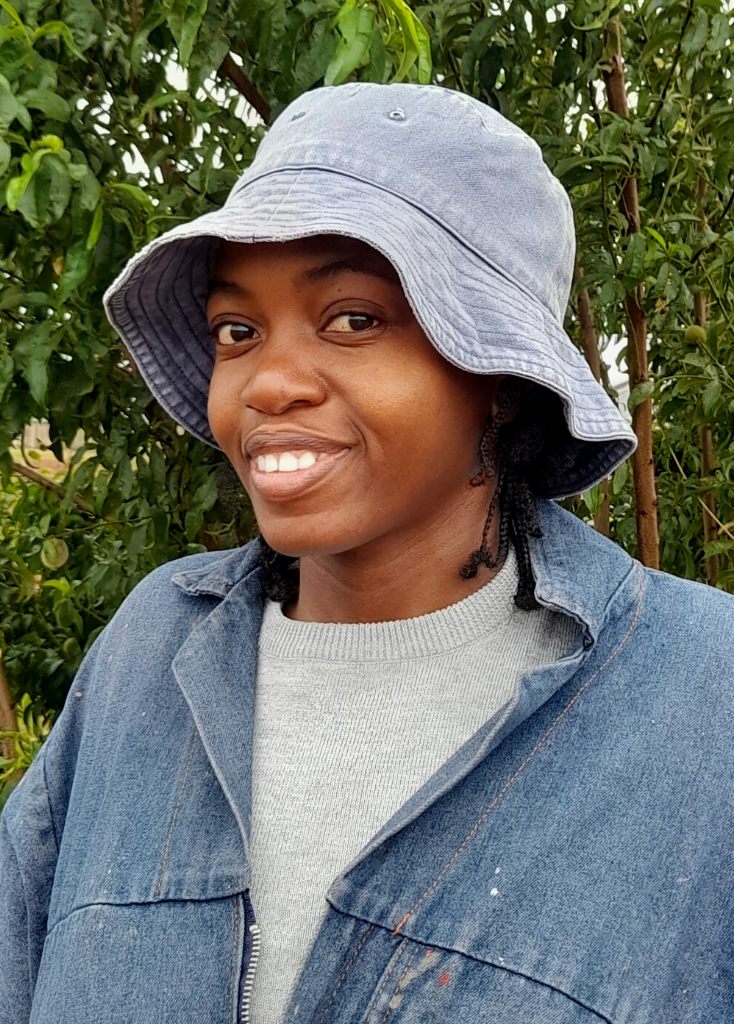
BBL PARTICIPANT: MESHACK KHOZA, KOKOSI EXT 1, CARLETONVILLE, NORTHWEST PROVINCE
In a Nutshell
Through his participation in SocioTech’s Broad-Based Livelihoods (BBL) strategies to stimulate personal economic activity, Meshack Khoza from Kokosi Ext 1 in Gauteng Province rediscovered the value of continuous learning, and wishes that children could once again experience the joy of life lessons learned through farming.
He says…

I grew up on a farm in the Stillfontein district. We had lessons in gardening at school, so I had some training and experience even before I did the SocioTech training. I remember that the teacher who supervised us in the school gardens, Mr Peter Gapara, was always kind. He used to play soccer with us, and he liked to sing. We used to sing Setswana songs while we worked in the school garden. Each child had his own portion and when it was time to harvest our crops, we were allowed to take the vegetables home. I remember feeling so proud when I took those vegetables home. I still feel that way. Even as old as I am now, when I take a box of beautiful, fresh vegetables home there is a sense of pride that comes from being able to provide for my family. I really wish we had more land to work. These gardens are very small and the size limits how much we can achieve. If we had proper plots, we could be growing more, selling more and making money. We have the skills. Only the land is missing.
These days children don’t study agriculture at school. I am not sure why it stopped being taught. I don’t know if that decision came from the government, or parents, or both. I think it probably stopped because many people (in government and amongst the parents) associate gardening with poverty. I think that attitude is completely wrong. Working soil and growing vegetables is good for children in many ways. Firstly, because they get something to eat at the end of the process – in this community there are so many hungry children. A hungry child will struggle to study. Also, when a child grows something from a tiny seed into a big plant, he learns to be patient, humble and skilled in ways that can be transferred to other areas of life. A child who knows that he must work and wait for results to show in a garden can also understand that he must study now and only see good exam results later.
"....used to sing Setswana songs while we worked in the school garden...."
A child who starts off knowing nothing about growing tomatoes but gradually learns the skill has the confidence to try other new tasks.
Even if that child becomes a doctor and never touches the soil again, he has learnt how to apply himself, work hard and wait for rewards. It teaches a student that no matter how much you know, there is always more to learn. For instance, I learnt additional skills about soil preparation, irrigation, and plant spacing through the SocioTech training programme. Trenching was not something that we did with Mr Gapara, and it is definitely a valuable new skill.
But it is easy to say that young people must work in gardens and difficult to put into practice. Even in my own home, I struggle to get my children to help me in the garden. If I ask my 14-year-old to come with me and work, he will say he has homework to do. He is lying. He just doesn’t want to work in the garden.


BBL MyFood
BBL Mentoring & Monitoring
BBL Veg Tunnel self-build
BBL FruitTree Campaign
BBL MyFuture
BBL MyBusiness
BBL MyPoultry
BBL MyLivestock
BBL BusinessBuilders
BBL FoodEconomy
BBL OurMarket
BBL TalentShow
BBL GardenCompetition
BBL YouthSurvey
BBL SportsTournament


- New, highly effective farming methods
- High yields from small areas
- Getting more value from investment of labour and time