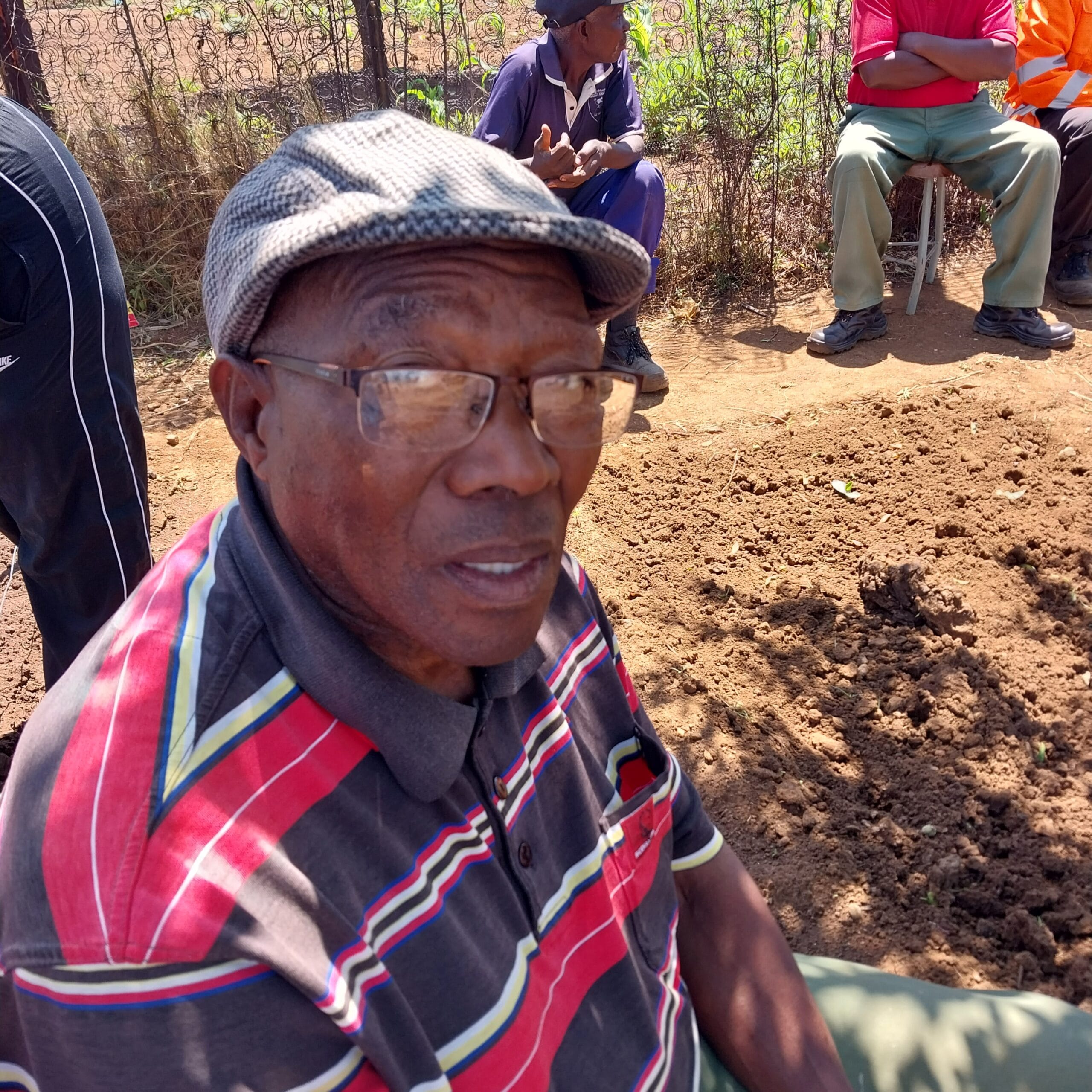
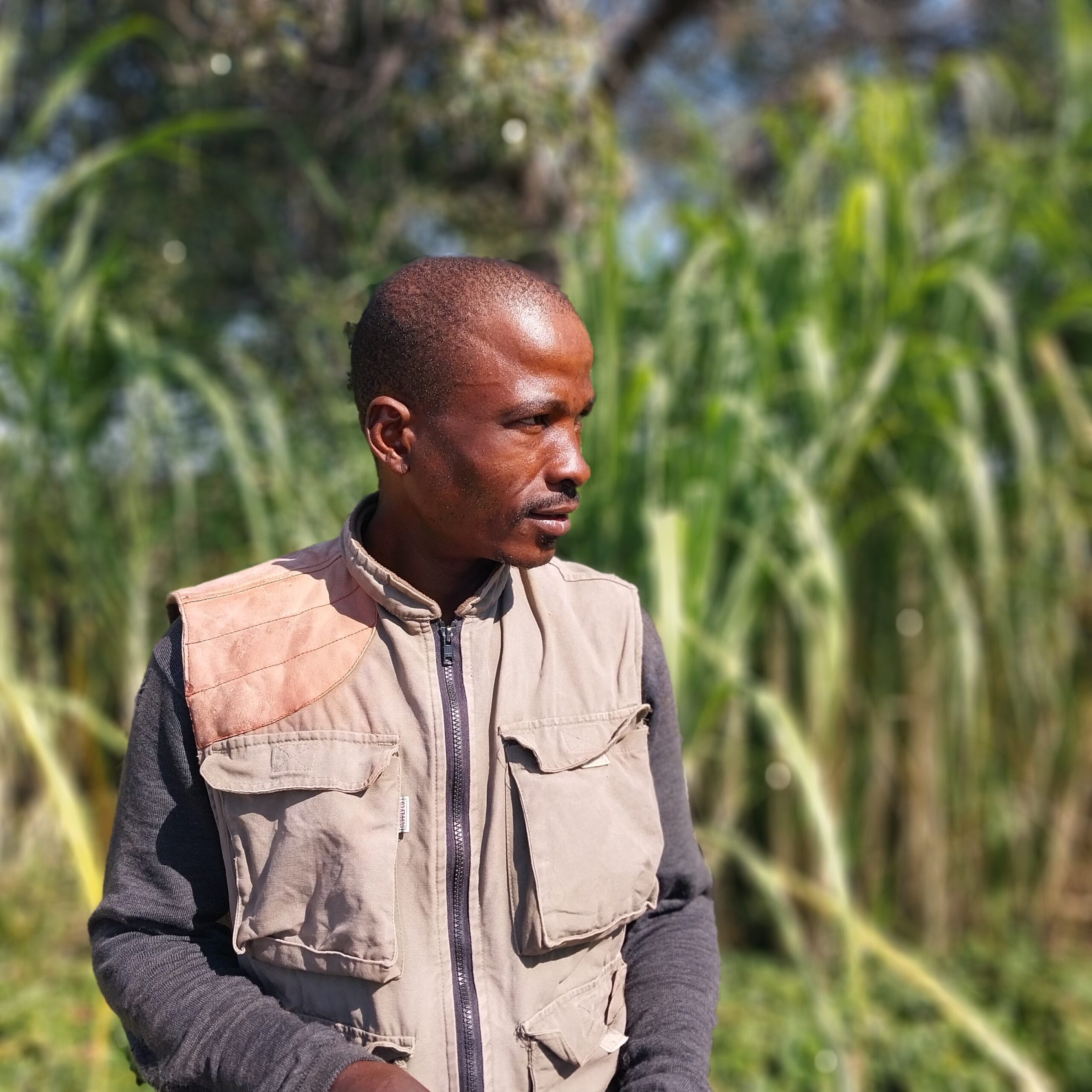
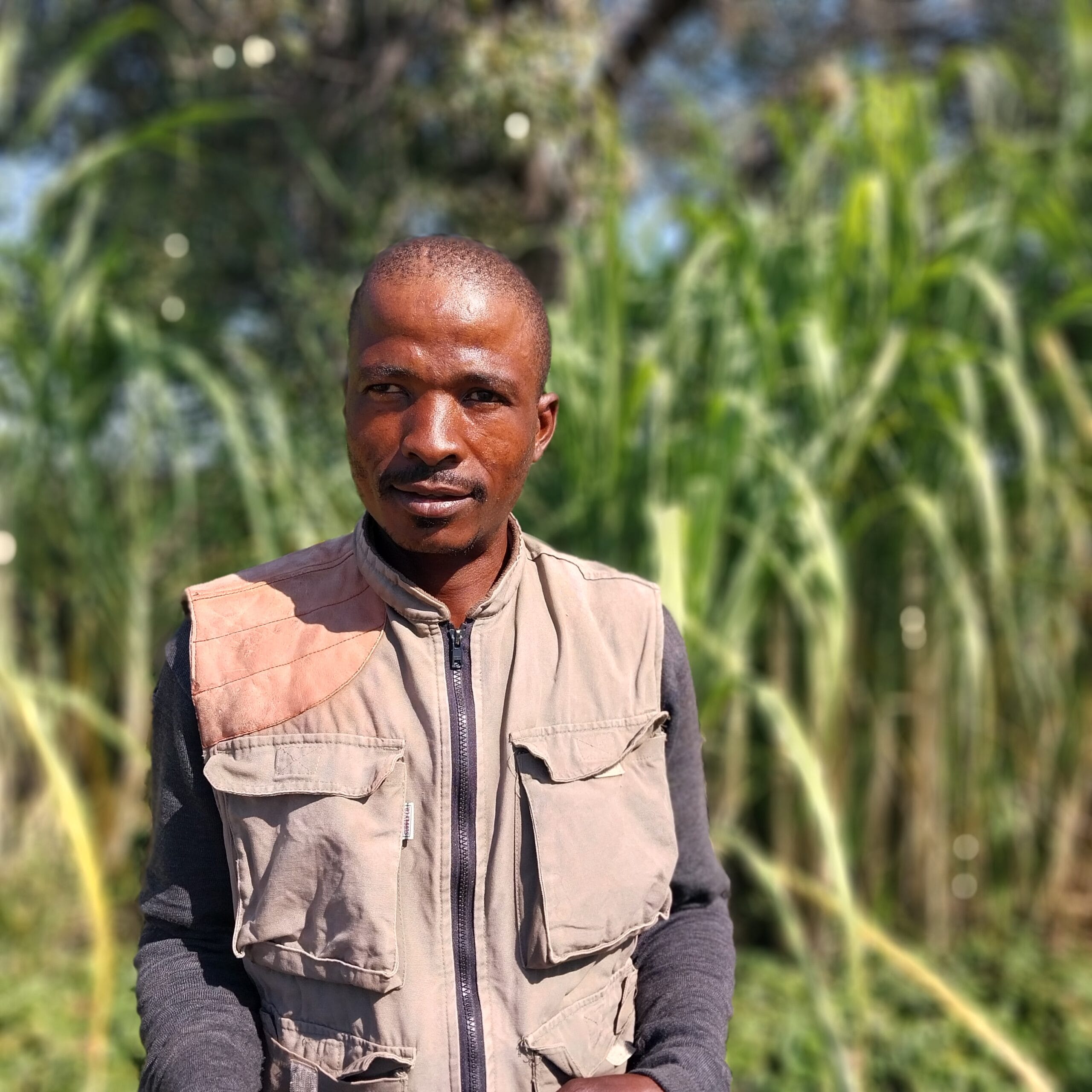
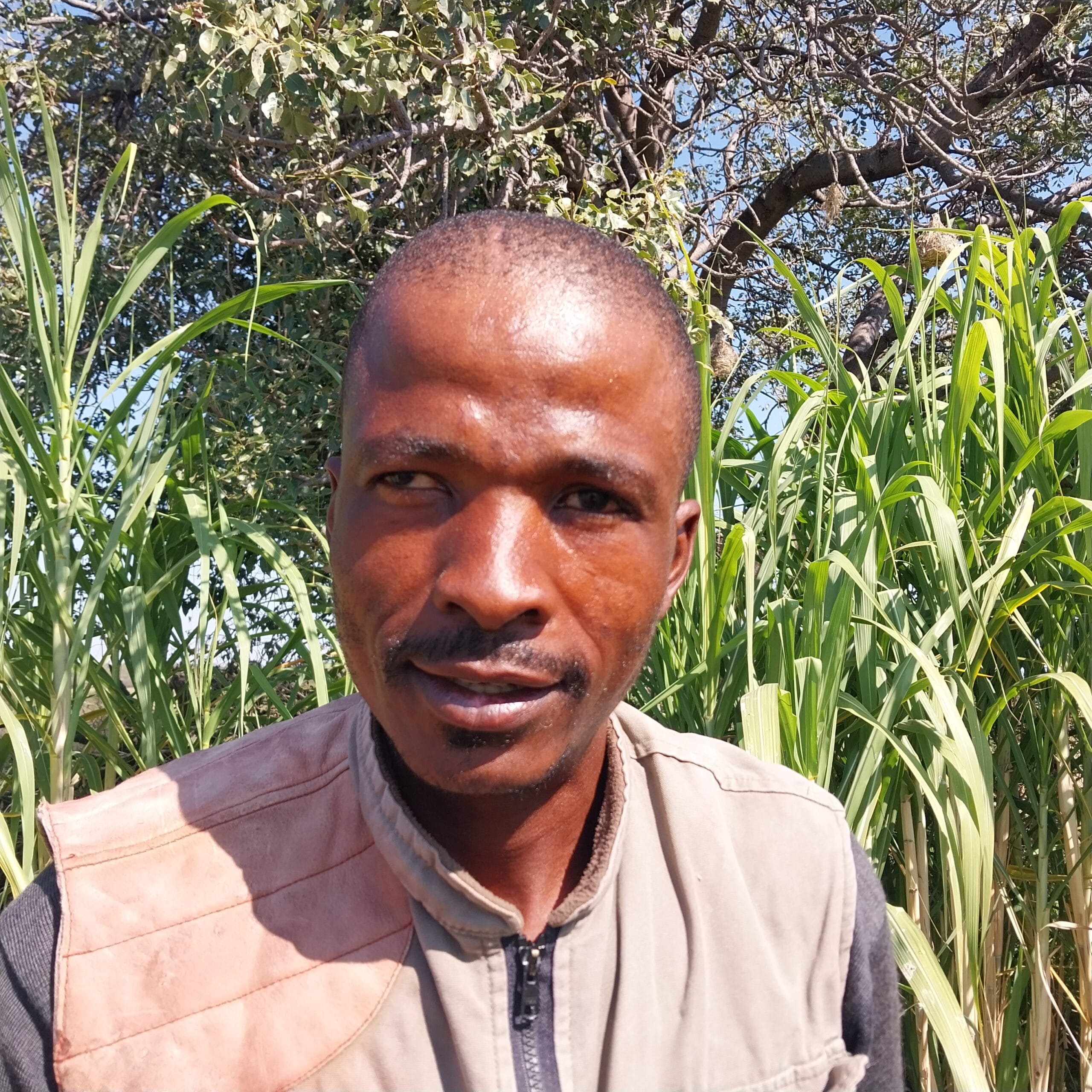
BBL PARTICIPANT: TSHELANE LAURENCE MOENG, KOME GA MARISHANE, LIMPOPO
In a Nutshell
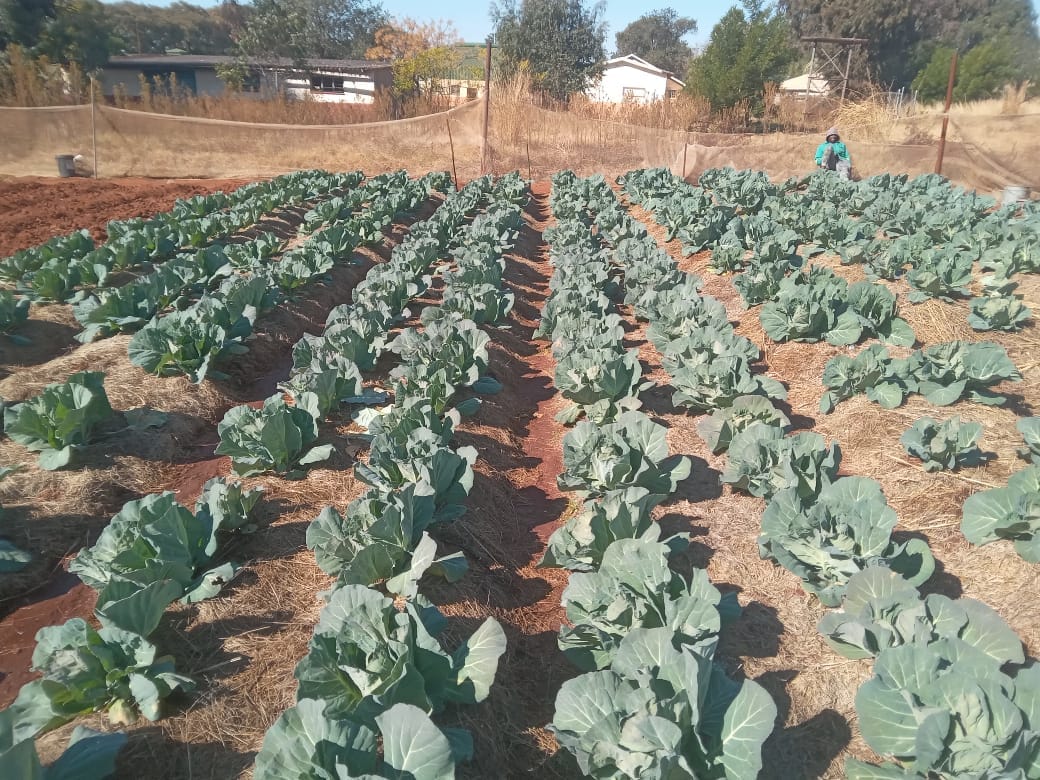
Through his participation in SocioTech’s Broad-Based Livelihoods (BBL) strategies to stimulate personal economic activity, Tshelane Laurence Moeng from Kome Ga Marishane has revived his passion for farming and developed it into a sustainable livelihood. With guidance from SocioTech’s mentor, Sizwe, he has embraced professional farming methods, business planning, and innovative thinking to expand his enterprise and explore agro-processing opportunities.
He says…

Farming is my passion. I first learnt to farm as a child. When I was young, planting crops was day-to-day work in my family. I worked with my mother and aunty ploughing, planting, weeding, harvesting. My grandfather had sorghum and mielies, wheat and vegetables enough to feed the whole community. At the end of the season he would have more than 500 bags of wheat and mielies.
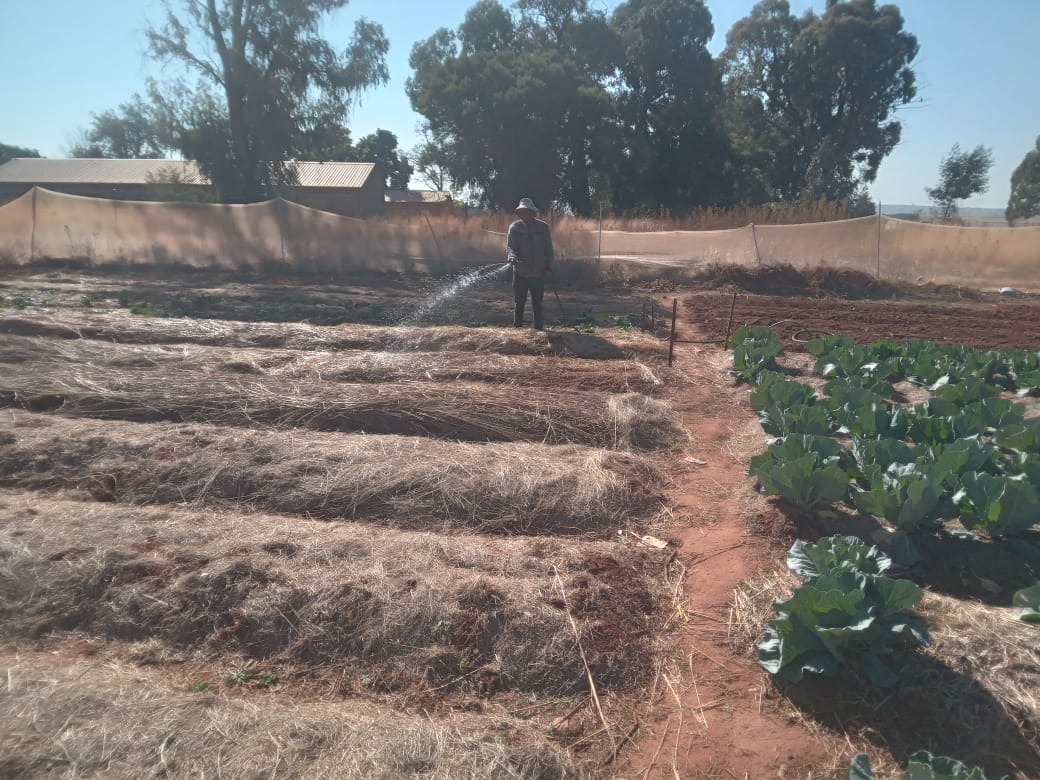
I moved to Johannesburg for work and for a while I got distracted and my passion for farming seemed to be declining, but then I lost my job. It made me realise that this economy is so insecure. You can never feel safe while you are working for someone else. I wanted to do something that made me feel self-sufficient. I wanted to be sure that every day I could wake up and know what my job was. I decided to focus back on farming. This land that I work belongs to my family but it was no longer being used, so in 2019 I decided to start farming it.
My goal is to get to a point where I don’t have to worry. Not struggle. I want to be sure that every day there will be food to eat. I want to be able to do that not only for myself, but also for other people. My dream is to create jobs, hire people, contribute to making life a little easier in my community. I am helping one primary school in my community with gardening and planting spinach, beetroot, onion and tomatoes, because I want to be supportive and young children need good nutrition.
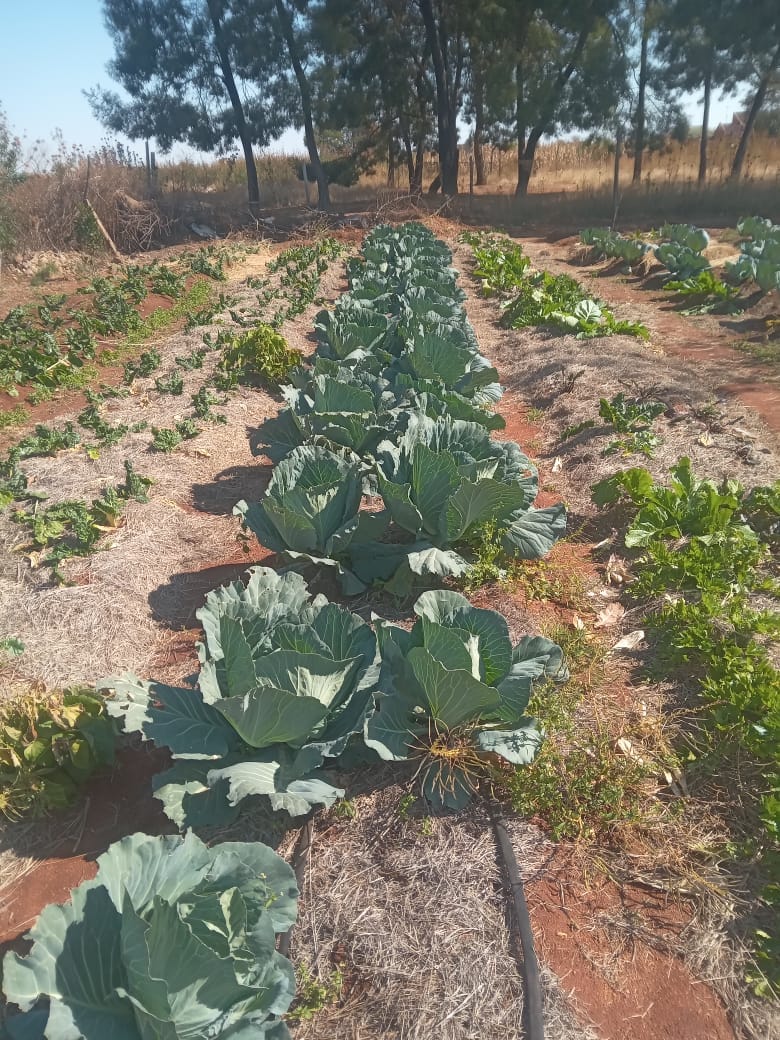
I had my childhood farming experience, but having Sizwe from SocioTech to advise me, has also been very helpful. Through Sizwe I have learned a professional and effective way of planting. Before, I just put things in the ground. Now, I am all about soil enrichment. I learnt so much more than trench beds and feeding the soil from SocioTech. Sizwe has taught me business skills (managing money, costing and so forth) and most important of all, ways of thinking. From Sizwe I learnt patience. He didn’t give up on me. When I was about to give up, he would support me and help me to keep going. He keeps coming back. He has helped me to see that I can expand and grow from a small subsistence operation into a medium and maybe even large scale enterprise. He has taught me about double digging and square meter planting and all of that makes me hopeful about the future. That is the great thing about SocioTech – there are no limits placed on progress.
I am very interested to explore the opportunities in agro-processing. I think that can be part of my business plan moving forward. I want to find ways of having seasonal crops available to my customers all year round. I have been experimenting with dehydrating vegetables. Grating them and putting them in the oven on low heat. I have taken the results to the University of Limpopo to see if the nutrient content is affected.
"....very difficult running a small business in this environment...."
Even with that encouragement, it is very difficult running a small business in this environment. There are a few big problems. First is poverty. People here are poor. They live on grants. At certain times of the month, they just don’t have money. I let people take vegetables on an IOU, because I know that they will pay me back. It is not ideal, but it is the only way.
Secondly, water is a problem. All the water in this area (for household use and farming) comes from the river. I want to be able to irrigate my fields. If I could properly irrigate I could grow different crops – butternut for instance – but to do that I need a pressure pump. I have priced pumps – the one I need costs R5000. Sizwe and I have worked out a plan. I keep detailed records of my sales and by my calculations I can have the money for a pump saved certainly by the end of December. If I am lucky, it might be sooner.
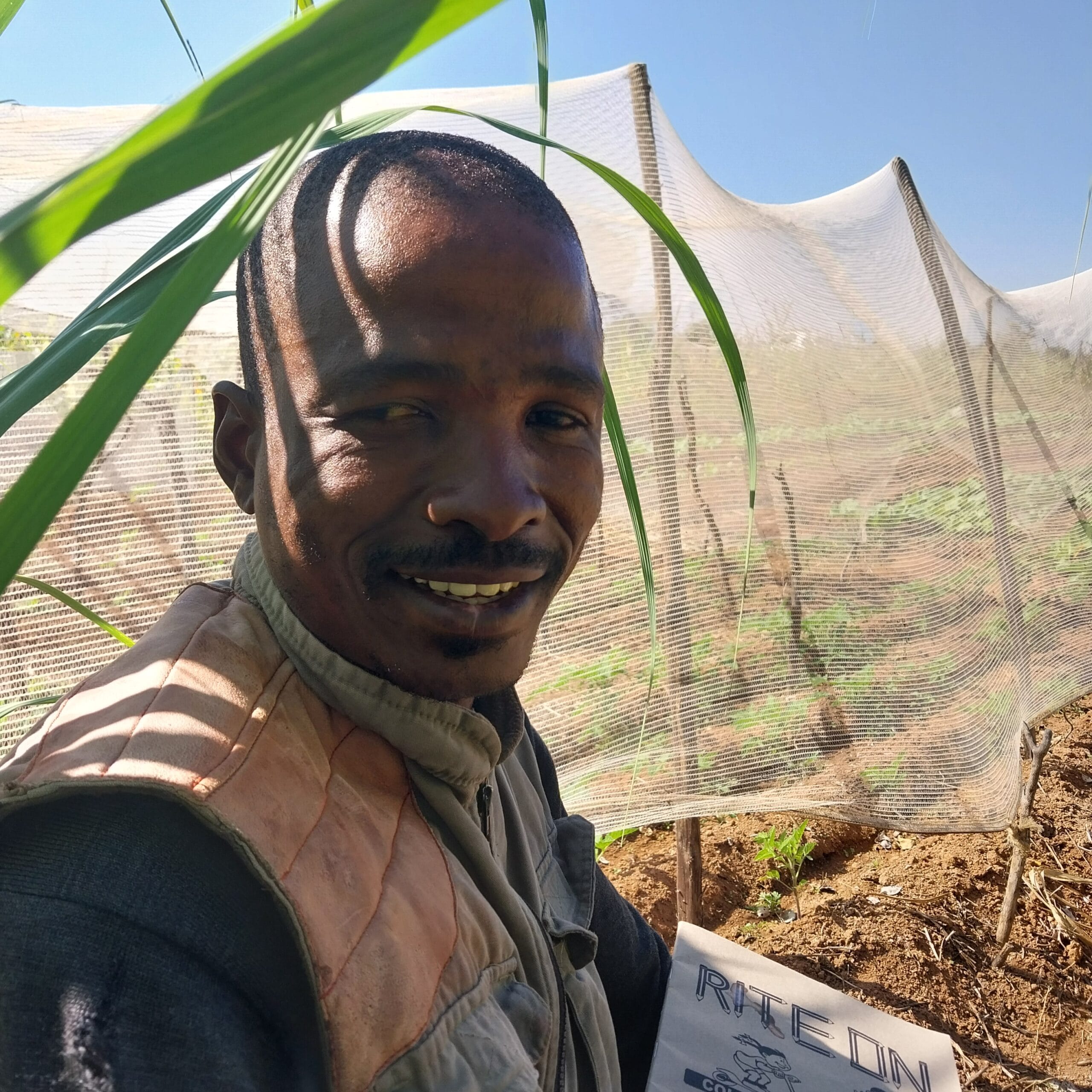
The third issue is theft. Some of it is animals – I have no proper fencing, so they get into my fields and eat the crops. I have made barriers with thorn branches but it is not enough. They still get in. The bigger problem is people stealing crops. If you look at this sugar cane here – they came in at night and took a whole lot – it is not ready but I have to harvest the remaining crop now because otherwise I know they will come back and take the rest of it. If I had proper fencing maybe I could keep out the various different kinds of crop robbers! It is depressing when there are problems, but Sizwe has encouraged me to keep going.
My other plan is not related to the vegetables, but it does involve the land. My aunt lives in a place with a natural salt spring. It just bubbles out of the ground. For as long as anyone can remember my family have been collecting it, cooking it, straining and drying it. The salt is good quality, and we sell it to people in the community for R20 per cup. It has a lovely, gentle, not too salty taste. I believe that it is good for the elderly people with high blood pressure. They have been told at the clinic to consume less sodium and I think that my salt meets a need that they have. It is a gap in the market. I have also taken the salt to the University of Limpopo to be analysed, because it is not the same as the salt from the shop and in order to grow the business I need to know the specifics of how it is chemically different. It also has an ancient cultural significance (even today it can only be processed by purified people) so it must be treated with care and respect. I am waiting for the results from the university, but I am inspired by the success of the Baleni salt project. Their start was similar to mine and now look at them. They are an international success.


BBL MyFood
BBL Mentoring & Monitoring
BBL Veg Tunnel self-build
BBL FruitTree Campaign
BBL MyFuture
BBL MyBusiness
BBL MyPoultry
BBL MyLivestock
BBL BusinessBuilders
BBL FoodEconomy
BBL OurMarket
BBL TalentShow
BBL GardenCompetition
BBL YouthSurvey
BBL SportsTournament


- Money management skills: Tshelane now keeps detailed sales records, plans savings targets, and manages IOU payments with his community, building a more reliable financial foundation for his farm.
- Business diversification: In addition to his vegetable crops, Tshelane is exploring agro-processing by dehydrating vegetables and reviving his family’s traditional salt-making business, which he aims to develop into a unique commercial product.
- Improved productivity: With training in double digging, soil enrichment, and square-metre planting, his yields and crop quality have significantly improved, laying the groundwork for scaling up production.
- Community contribution: Tshelane supports a local primary school with fresh produce and gardening assistance, ensuring children have access to nutritious food.
- Perseverance and problem-solving: Despite challenges like water shortages, theft, and poverty in his community, Tshelane applies BBL’s problem-solving mindset - saving for irrigation equipment, protecting his fields, and staying motivated through mentorship and persistence.